| Art |
| Science |
| Latinists |
| Dubrovnik |
CROATIAN GALLERY
| Glagolitic Script |
| Music |
| Croats in BiH |
| Sports |
| Cravate |
| Parachute |
| Pen |
| Psychology |
| Dactyloscopy |
| R. Boskovic |
2005 2006 2007 2008 2009 2010 2011 2012 2013
Ralph Tony Sarich
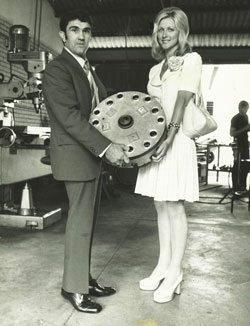
Miss Australia Michelle Downes
visited Ralph Sarich's workshop
where she was shown his revolutionary orbital
engine
in 1972.
| Ralph Tony Sarich is an Australian Croat who developed the Orbital Engine in 1972. He is a recipent of several prestigeous ingeneering awards like Australian Inventor of the Year 1972, Sir Lawrence Hartnett Inventors Award 1972, Churchill Medal, British Society of Engineers 1987 and Clunies Ross National Science and Technology Award 1991. His parents are Croatian immigrants to Australia. |
Professor Balthazar,
Zagreb,
a Croatian trademark

|
Professor Balthazar, conceived in 1967, is the most successful project of the Zagreb School of Animated Film, Croatia. His creator is Zlatko Grgic (1931-1988). Professor Balthazar is popular throughout the world even today. The episodes have been shown with great success in many countries, like Denmark, Finland, Italy, the Netherlands, Norway, Portugal, Sweden, Iran (!), USA, Australia, New Zealand, etc. The Professor is especially popular in Scandinavian countries. |
Falkusa,
autochthonous Croatian fishing boat
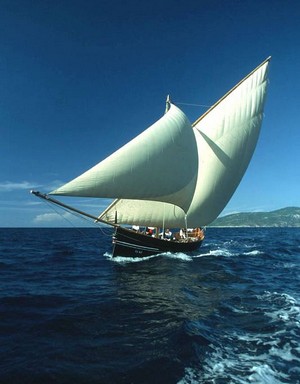
| The earliest known description of a sporting event in Croatia is from the 16th century. It reffered to the 1593 regatta of seventy four (yes, 74) wooden fishing boats called falkusa, from the harbour of the town of Komiza on the island of Vis to the islet of Palagruza. It was the oldest known boat race in Europe. |
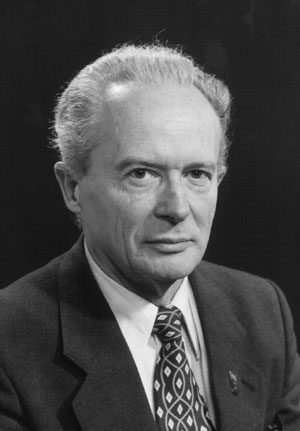
Haiku poetry in Croatia
|
Professor Vladimir Devidé, Croatian mathematician, is better known as outstanding Japanologist. His tireless enthusiasm over the past fourty years, including numerous published monographs and hundreds of public lectures, resulted in surprising popularity of haiku poetry throughout Croatia. It is especially nice to see him surrounded with youngest haiku poets in Croatia, at the primary school age. According to Professor Devidé, counting the number of prizes won at various international competitions in haiku, Croatia can be ranked among the most successful nations in the world. |
|
a tiger's shadow |
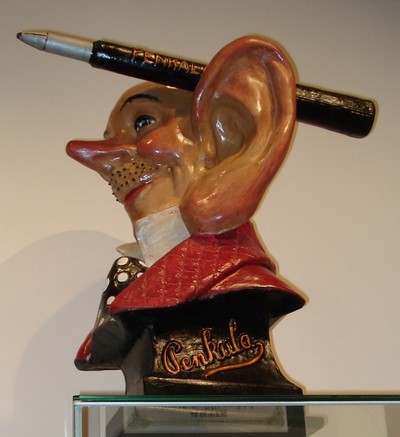
PEN
|
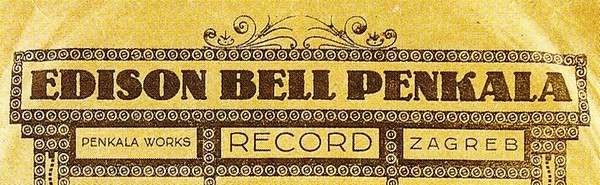
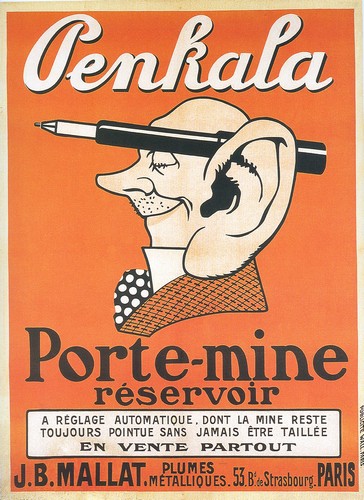
The name of PEN is derived from the name of Croatian inventor Slavoljub PENKALA. He invented the mechanical pen in 1906 and fountain pen in 1907 which are bearing his name and now they are in everyday use. Penkala invented a new plastic mass substance called ebonite, and used it for production of gramopne records. He then signed a contract with the Edison-Bell company, England, and a new company Edison-Bell-Penkala Ltd. was founded in Zagreb which started the production of gramophone records based on his original technology. |
Kristian Krekovic (1901-1985)
pintor croata - peruano
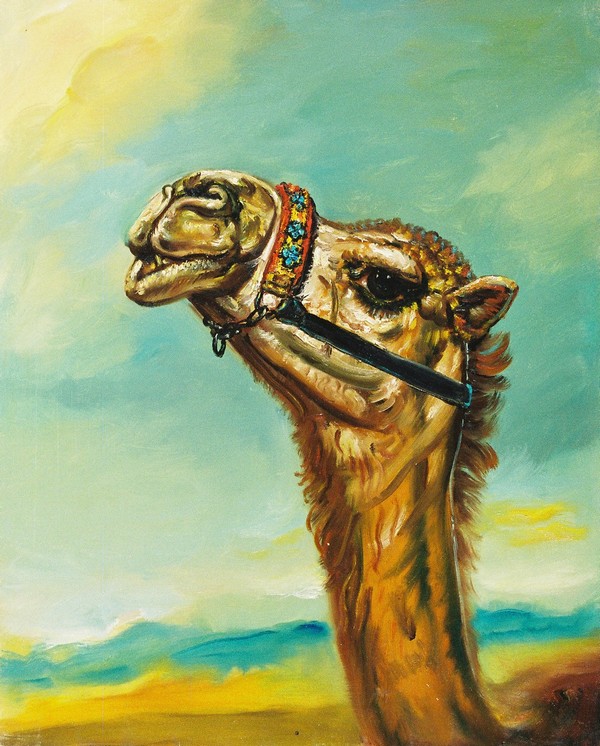
Kristian Krekovic: Llama
Kristian Krekovic (1901-1985)
pintor croata - peruano
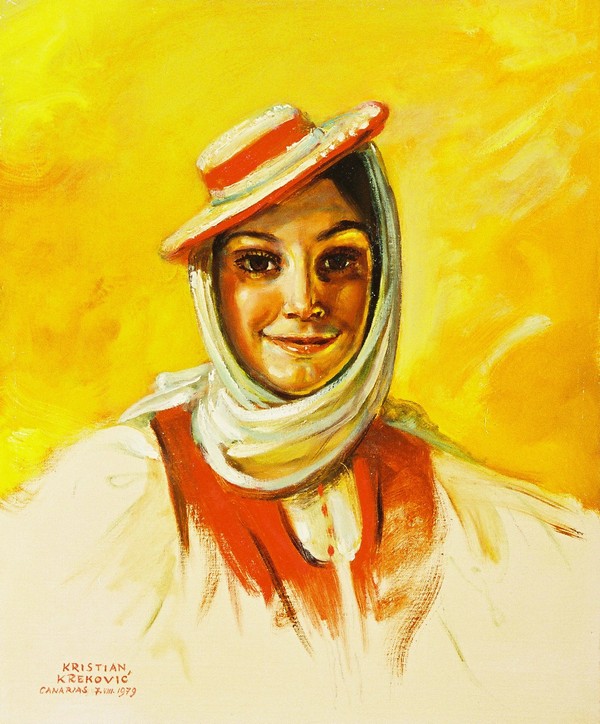
Kristian Krekovic, Canarias 1979
The largest Croatian Glagolitic book
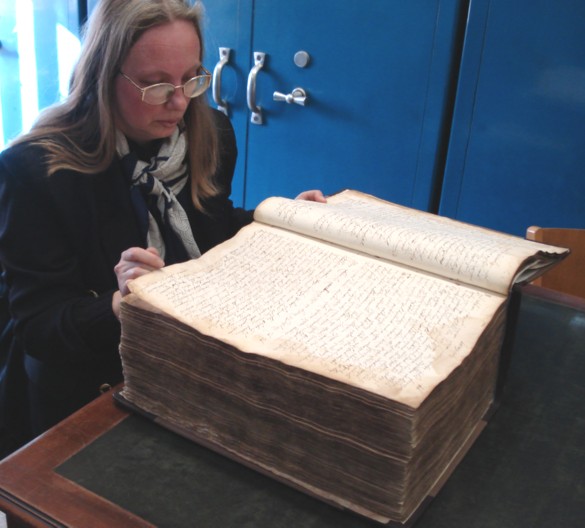
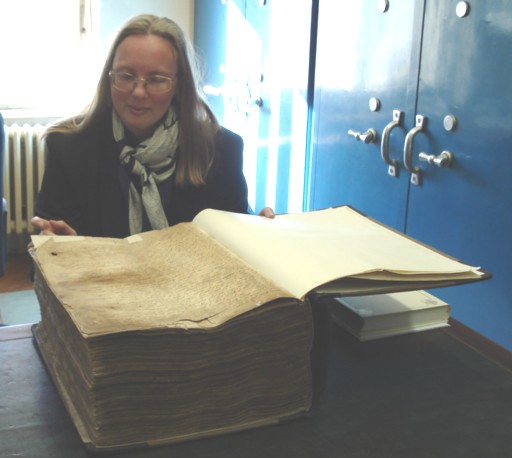
| The Grdovic Collection from the beginning 18th century is the largest known Croatian Glagolitic book, weighing 20 kg (34 x 45 cm), and having more than 1500 pp. It kept in the Archives of the Croatian Academy of Sciences and Arts. The book was written in the region of the city of Zadar. On the photo Grozdana Franov - Zivkovic, prof., studing the book. |
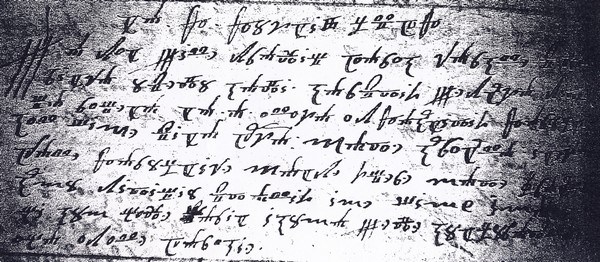
| A note about baptism of a child from church records in the village of Kali on the island of Ugljan near Zadar, written in 1799 by a local Catholic priest in the Glagolitic quickcript. In the Zadar region only, more than 3000 (three thousand) of Catholic priests of Glagolitic rite are known to have existed in the span of 11 centuries, from 10th till 20th. |
|
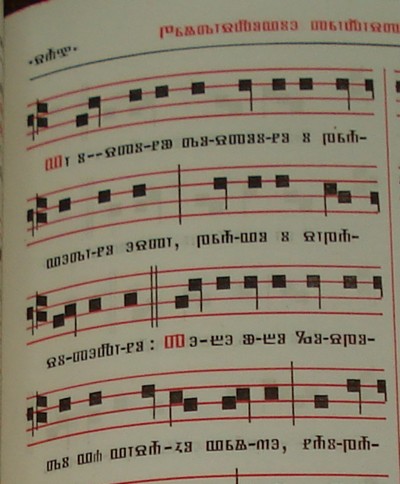
A
detail from the voluminous Croatian
Glagolitic Missal - Missale Romanum, prepared by Dragutin Antun Parcic,
printed in Rome
in 1893.
|
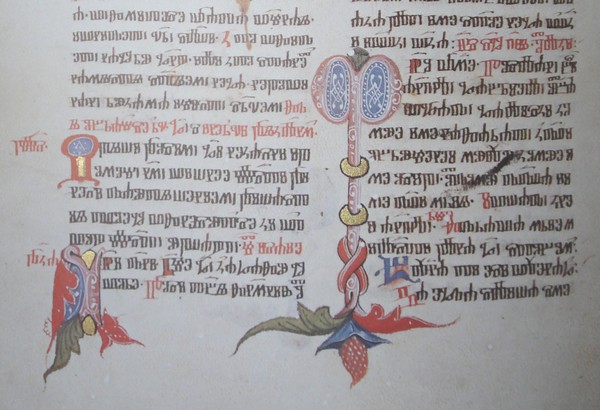
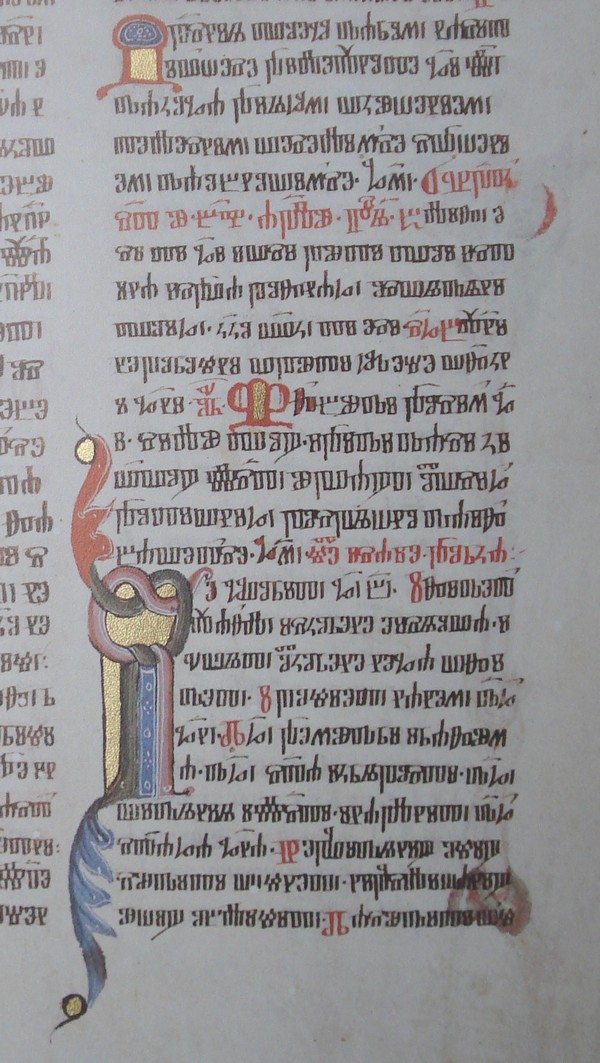
Hrvoje Missal, 1404
Croatian
Glagolitic book
kept in The Library of Turkish Sultans
in Constantinople in Turkey
|
Yellow details in this old Croatian book from 1404 are made of golden leaves. Note a nice strawberry at the bottom of the above photo. According to some scholars, the book was written in the city of Zadar. This is one of the most beautiful Croatian Glagolitic books. Except in Croatia itself, Croatian Glagolitic books are kept in various libraries and museums in as many as 25 countries, mostly in Western Europe, plus the USA, in more than 60 cities. |
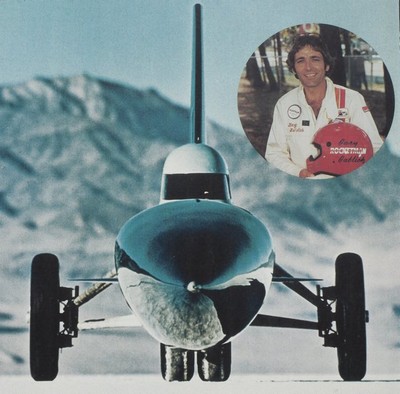
Blue Flame

|
Gary Gabelich, USA Croat (his parents are from the city of Split), has won the world record with his automobile "Blue Flame" in 1970, achieving the speed of 622.4 miles/h (more than 1000 km/h). Even more interesting is that this record was unbeaten for as long as 13 years. In 1985 the Long Beach City Council named a park in his memory, Gabelich Park (near San Pedro and Los Angeles). |
Kaiser und
König Franz Joseph I
Emperor of Austria, ..., King of Croatia,...
(1830-1916)
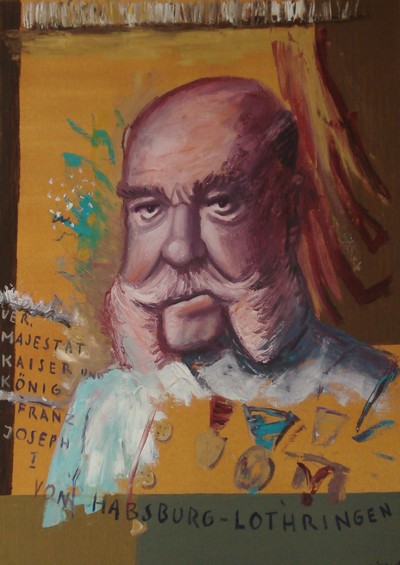
...after enjoying some wine from Croatian south,
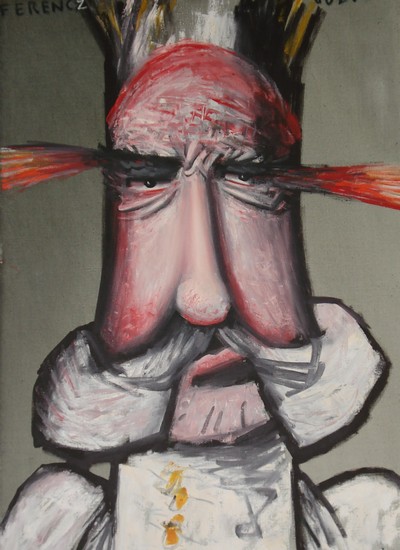
...and after enjoying
some very hot dishes from Croatian north.
|
These two lovely portraits have been made around 2001 by Antun-Boris Svaljek, Croatian painter. They adorn Villa Astra in the town of Lovran, Croatia, belonging to Lovranske vile Ltd, directed by Mr. Vjeko Martinko. In 2006 The Guardian announced ten best places to stay in Croatia, with Lovranske Vile on the first place. Many thanks to Mr. Vjeko Martinko for permission to use the photos. |
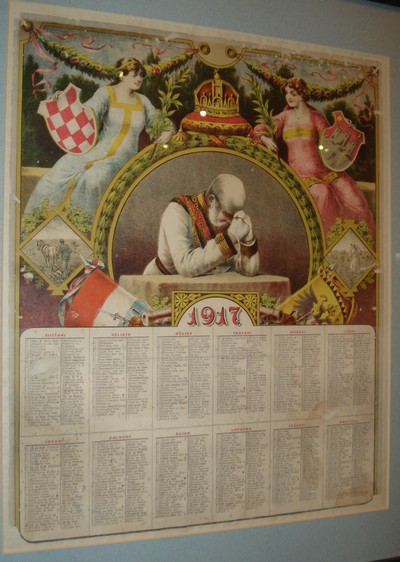
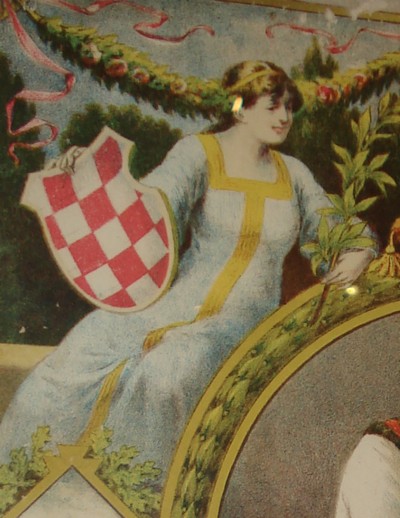
Calendar from 1917, kept in the City Museum of Zagreb.
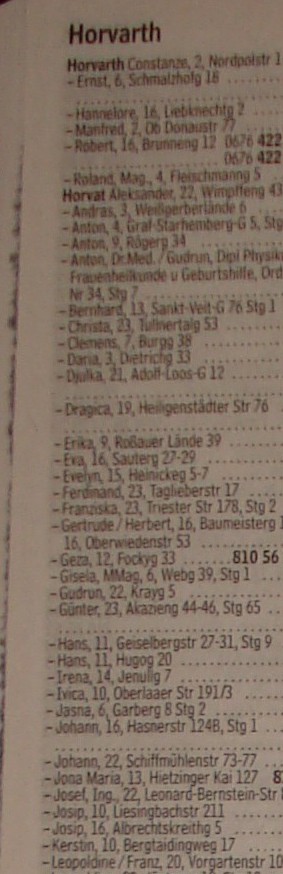
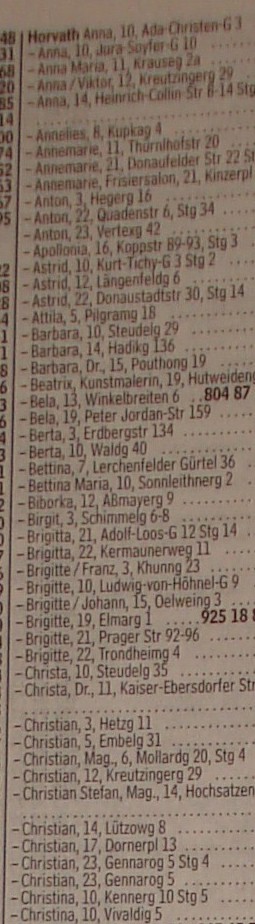
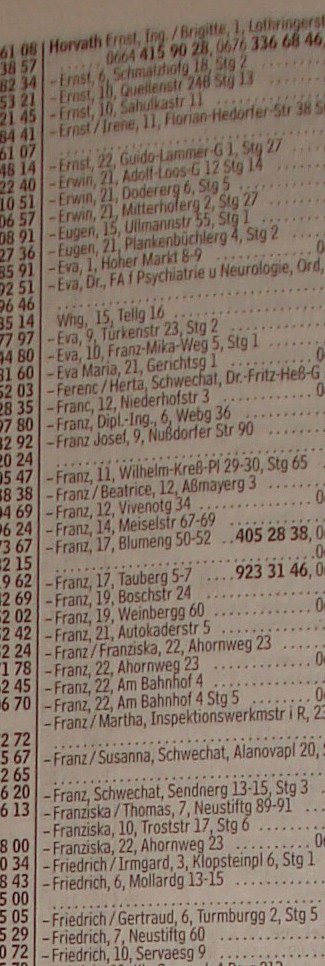
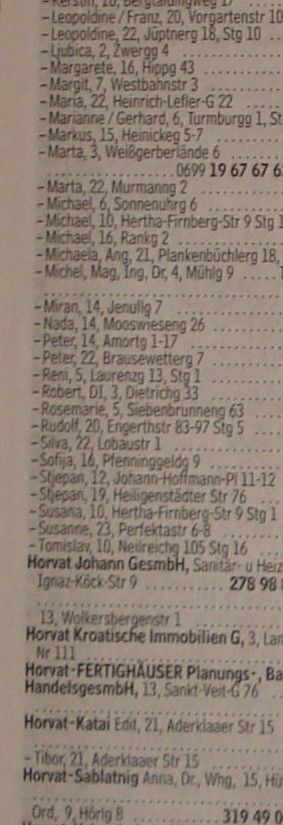
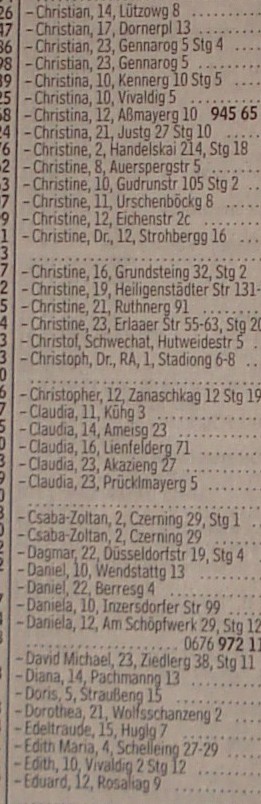
Croatian national name Horvat
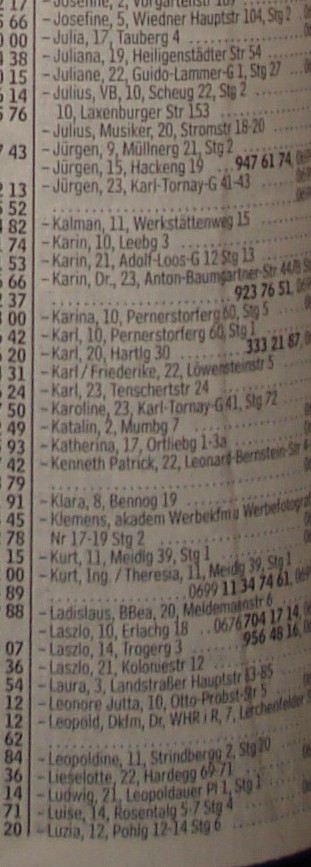
in the Vienna Telephone Book, Austria
 |
 |
 |
 |
 |
 |
 |
 |
 |
 |
 |
 |
|
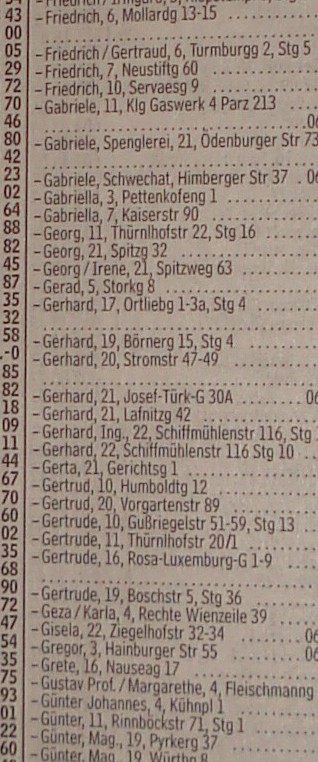
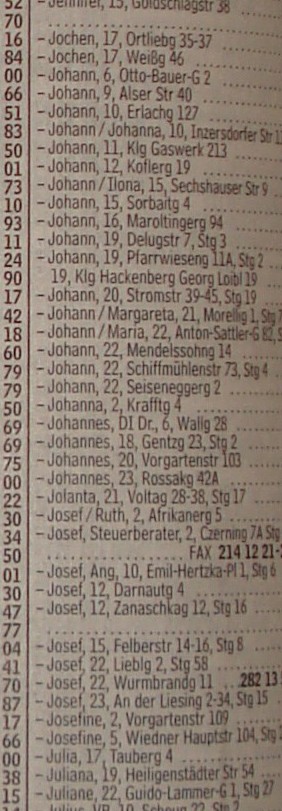
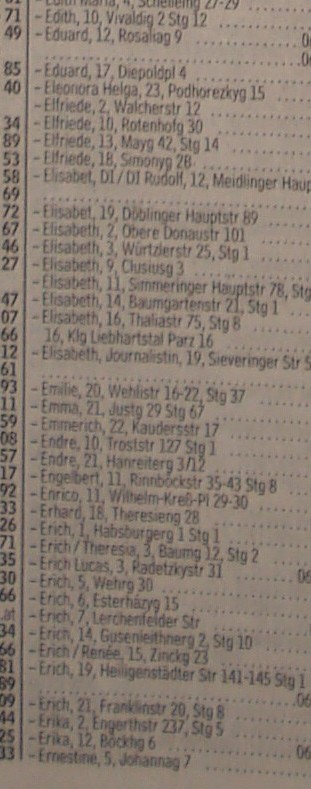
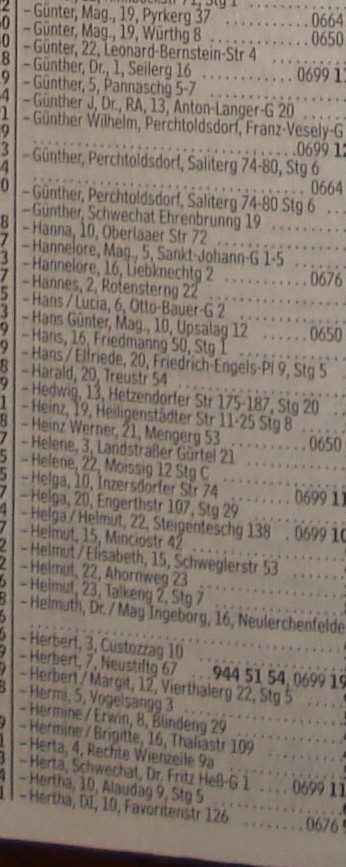
The above table represents only one page from The Vienna Telephone Book (2007). Its four columns contain the following second names: Horvarth, Horvat, Horvath All of them are variations of the standard Croatian name that we use today: Hrvat (HR), the English version of which is Croat or Croatian. Please, note that we do not claim that all these persons from the book are Croats by nationality. But it is without any doubt that the source of their second names is Croatian. The next page in the Vienna Telephone Book is almost entirely, throughout more than three columns, filled with other versions of Croatian name: Horwath, Horwarth, etc. We have counted more than 100 such names per column, which makes altogether about 700 explicit Croatian second names in the book! But many names in the telephone book correspond to a family. If we take two or three members per family in avarage, then we see that in Vienna only there are probably between 1400 and 2000 persons (if not even more), bearing the Croatian second name. For the entire Austria the corresponding number is, of course, much larger. Similar is the situation in Prague (Czechia), Budapest (Hungary), Bratislava (Slovakia), and in Ljubljana (Slovenia). According to the Prague Telephone Book 1999/2000 there are as many as 516 individuals having second names of Croatian roots:
Why is the Croatian name so frequent in the mentioned countries? A part of the story is related to White Croats, and another part is here. For comparison, in The Zagreb Telephone Book (Zagreb is the capital of Croatia) the second name of Horvat and its various derivatives Horvacic, Horvat, Horvatec, Horvatek, Horvath, Horvaticek, Horvatic, Horvatin, Horvatincic, Horvatinec, Horvatinovic, Horvatovic, Horvatus, Hrvacanin, Hrvat, Hrvatic, Krobat, Krobot appear more than 2,800 times! |
Croatian Mariners
| Captain Marko Vekarich, Master of the Austro-Hungarian Barque "Isaac", received the following letter from the Government of Canada for saving the shipwrecked crew of Canadian ship "Angle" in the Atlantic (the letter is kept in the town of Orebic, Peljesac peninsula near Dubrovnik): |
|
OFFICIAL SEAL Ottawa, 12th February 1879 SirHer Majesty's Government having brought under the notice of this Department the circumstances connected with the wrecke of the "Angle" of St. John, New Bruswick, and the services rendered by you, as Master of the "Isaac", to the shipwrecked crew, it affords me much satisfaction to convey to you the thanks of the Government of Canada and to request your acceptance of the accompaning gold watch, which has been awarded in recognition of you human and generous services. I
am, Sir, |
In 1861 captain Jozo Sunj from Orebic (Peljesac peninsula), Master of the Barque "Nicolo Despot", obtained official recognition and gold chronometer with engraved dedication from Abraham Lincoln, president of the USA, for having saved the crew of the USA sailor "Homer" in the Atlantic.
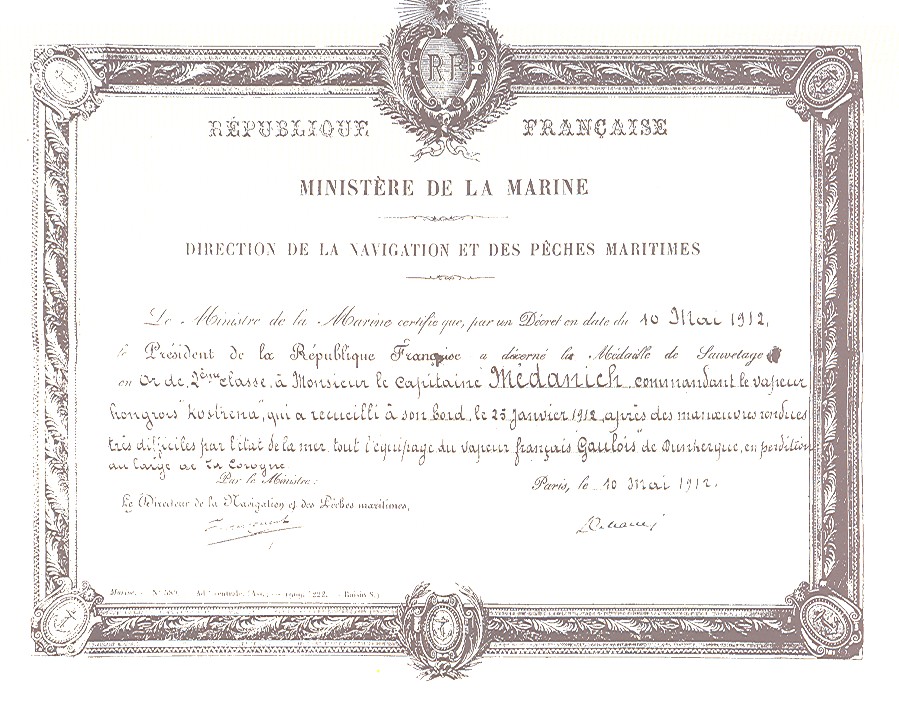
Pepe Medanovic, captain of a steamer "Kostrena", saved a French steamer Gaulois in Biskay bay in very difficult conditions. The French president conferred a medal. Maritime press reported on this saving throughout the world. See the facsimile:
|
RÉPUBLIQUE FRANÇAISE MINISTÈRE DE LA MARINE DIRECTION DE LA NAVIGAITON ET DES PÊCHES MARITIMES Le
Ministre de la Marine certifie que, par
Décret en date du 10 mai 1912, le Président de la
République Française a
décerné la
Médaille de Sauvetage en or de 2ême classe
à
Monsieur le capitaine Medanovich commandant le vapeur hongrois (!)
"Kostrena", qui a recueilli à son bord, le 25 janvier 1912,
aprés de maneuvres rendues trés difficiles Par Directeur de la Navitation et les Pêches Maritimes [signature] Paris, le 10 Mai 1912 [signature]
|
Croatia - Russia
historical and cultural relations
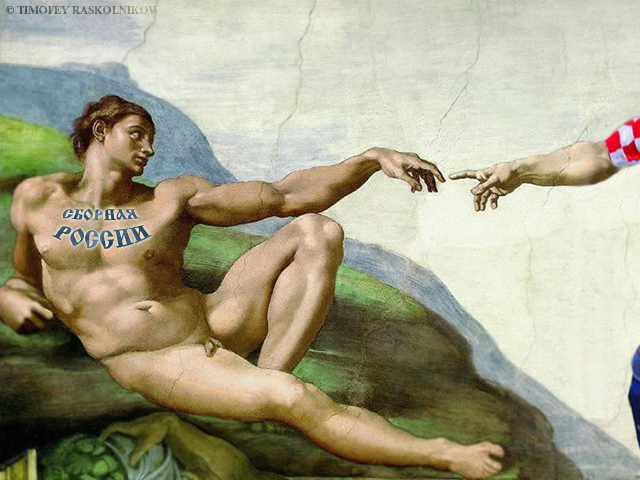
Timofey Raskolnikov, Russia: ...Divine Interference...
Croatia - China

Nika,
a young Croatian fan from China,
collaborator of croatian.cri.cn,
with a hat bearing the inscription HRVATSKA
(Croatia),
and with colors of the Croatian
Coat of Arms
Chinese and Croatian postage stamps
| Two very nice postage stamps have been issued by Croatian Post on the occasion of 15 years since establishing diplomatic relations between the China and Croatia (1992-2007). Both stamps have been designed by Boris Ljubicic, one of the best Croatian designers. |
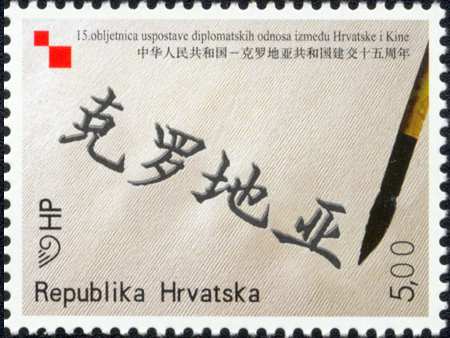
Here the name of Croatia is written in Chinese characters.
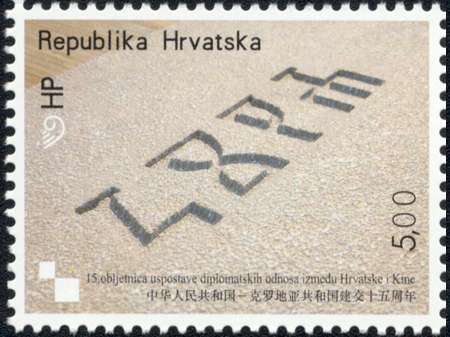
Here the name of China (Kina) is written in Croatian
Glagolitic characters.
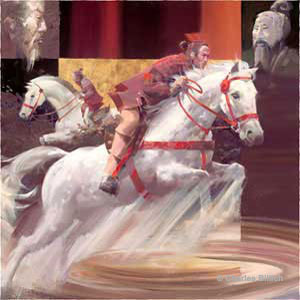
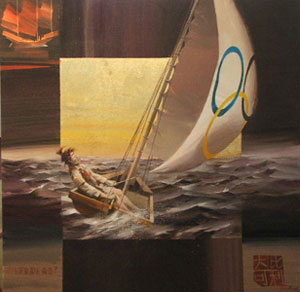
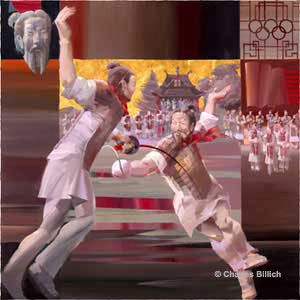
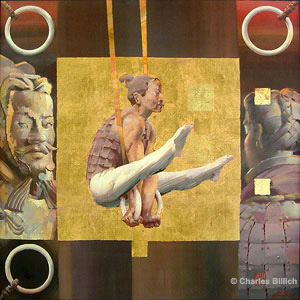
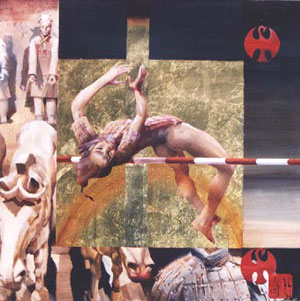
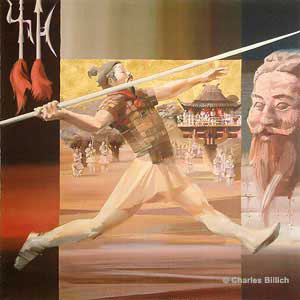
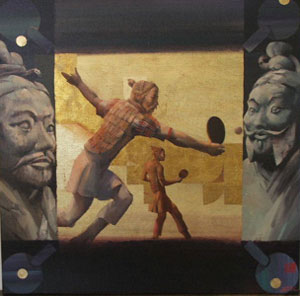
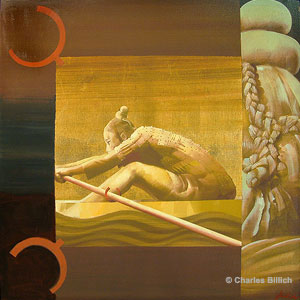
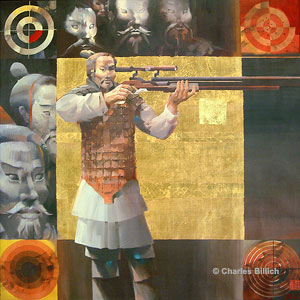
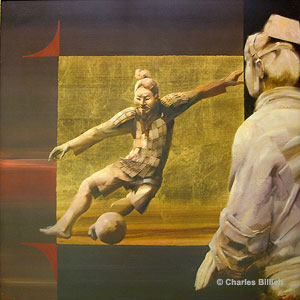
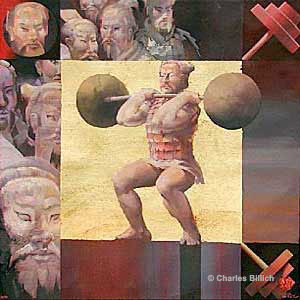
Charles Billich's
Bing Ma Yong Terra Cotta Warrirors
Charles Billich is
Croatian-Australian painter, born in
Croatia,
and official painter of the 2008 Olympiad in China
 |
 |
 |
 |
 |
 |
 |
 |
 |
 |
 |
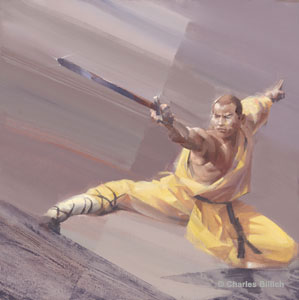 |
Source: www.billichgallery.com
|
Inspired by the conviction that the Chinese Olympic Committee should adopt a traditional symbol as the official image of the 2008 Beijing Bid, Billich created the Bing Ma Yong cycle of paintings. Best known as the Terra Cotta Warriors of X'ian, Shaanxi Province, Billich has brought an ancient Chinese icon to life through images contrasting 21st century Olympic sports and 384 BC Qin Dynasty magnificence to the glory of both. So well received has this work been that Billich's Bing ma Yong images are represented on a collection of 16 postage stamps currently in circulation in China. Source: www.billichgallery.com See Charles Billich's series on Croatian Art and Croatian Inventors. |
Andrija Stampar
(1888-1958)
father of the World Health Organization
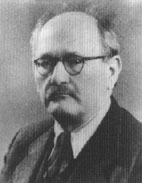
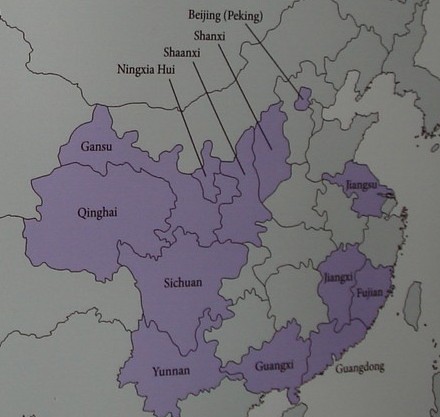
Chinese provinces visited by Andrija Štampar in 1930s as a representative of the then League of Nations
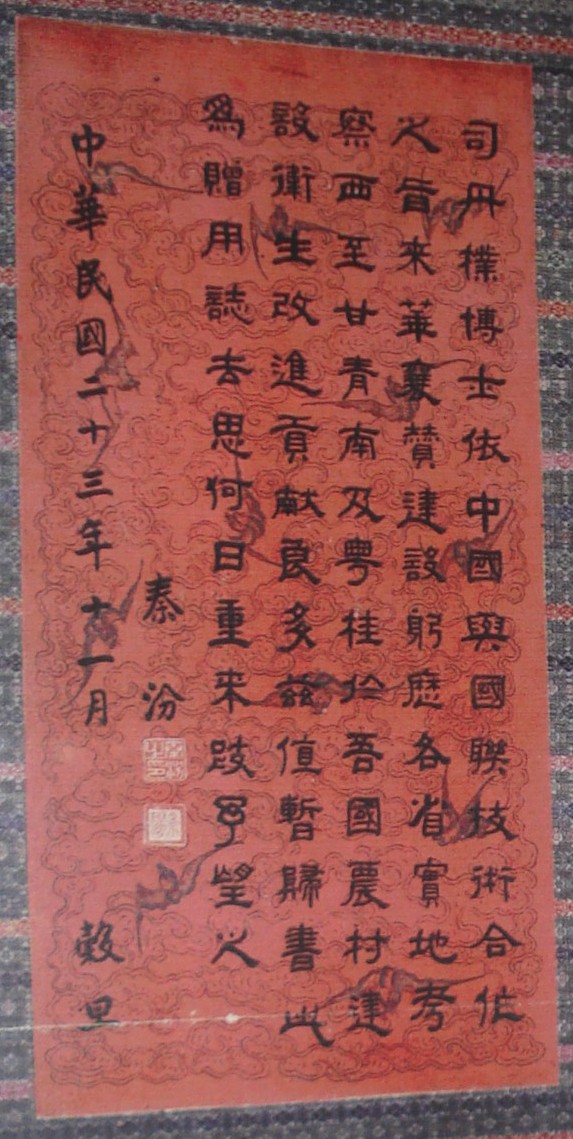
Wonderful recognition to Andrija Štampar from the Central Chinese Government as a sign of their gratitude and appreciation.
|
Professor Andrija Stampar (1888-1958) was our leading authority in the field of epidemiology and a pioneer in preventive medicine. As an expert of the League of Nations he spent three years (1933-1936) in China, developing the health service there. During the WW2 he was arrested by the German Nazis and kept in custody in Graz in Austria. He was one of the founders of the World Health Organization (WHO) and very active in promoting the health service in Afghanistan, Egypt, Sudan and Ethiopia. He wrote the introductory declaration of the Statute of the WHO and was the first president of this organization. In 1948 Andrija Stampar was the chairman of the first WHO General Assembly in Geneva. In 1955 he was awarded the medal of Leon Bernard, which is the most prestigious international acknowledgement in the field of social medicine. For more details see his book The first ten years of the World Health Organization, Geneva, 1958. Each year since 1993, during its Annual Conference, the Association of Schools of Public Health in Europe (ASPHER) awards the prestigious Andrija Stampar Medal to a distinguished person for excellence in the field of Public Health.
|
Croatian Glagolitic Script
Istud Alphabetum est Chrawaticum - This is Croatian Script
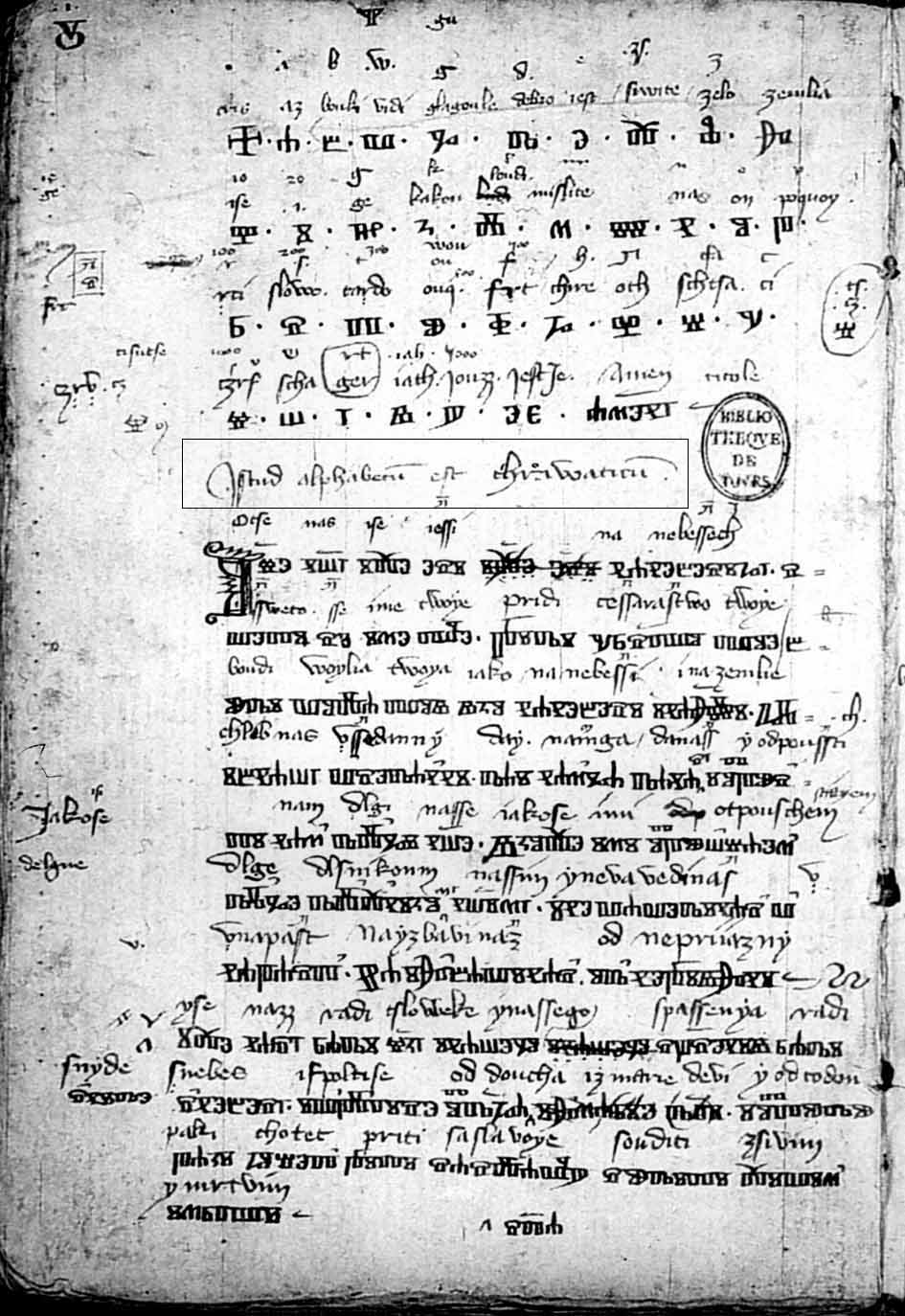
| George d'Esclavonie (14/15th centuries), Croatian glagolitic priest and professor at the University of Sorbonne, Paris, around 1400, entered the history of French literature. In his manuscript kept in Tours, France, he defines the above script as follows: Istud Alphabetum est Chrawaticum, i.e. This is Croatian Alphabet, see boxed in the middle of the above page. |
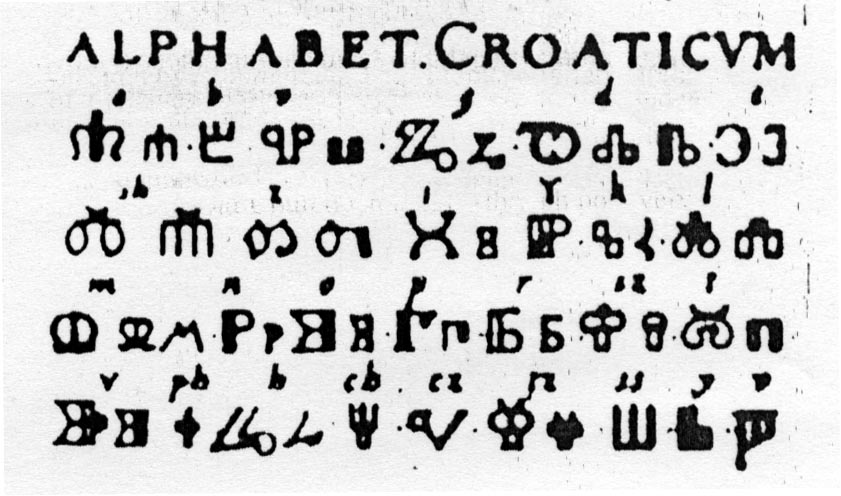
| A table from Daniel's copy book published in 1664 by Richard Daniel in London, England. The Glagolitic Script presented there is called expressly the Croatian hand or Alphabetum Croaticum, as we can clearly see in the first line of the above table. |
Croatian Glagolitic tradition in
Istrian peninsula
|
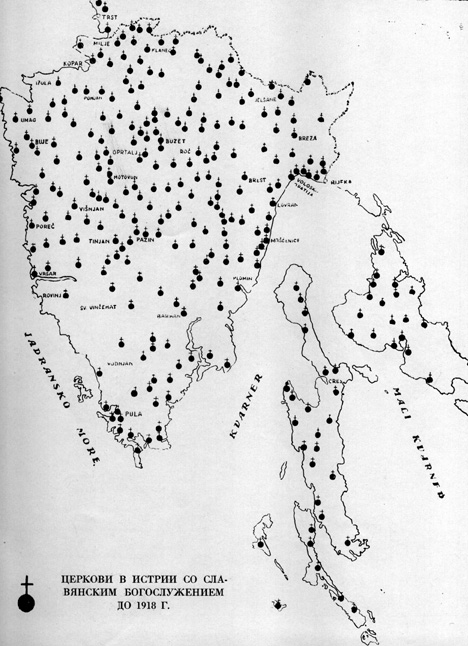
The above map was a part of documentation intended for international legal institutions in Europe which had to resolve the problem of international boundaries in Istrian peninsula after the WWII. It indicates churches which used the Glagolitic liturgy until 1918. The documentation was prepared in English, French and Russian. Some of the most
important Glagolitic monuments and
manuscripts originate from Istria, for example, Istrian boundaries is the earliest known international diplomatic monument written in Croatian language, comprising 53 pages. It mentions Croatian name expressly as many as 23 times. It is not only an important legal document for Croatia, but also a literary monument of Croatian language.
|
|
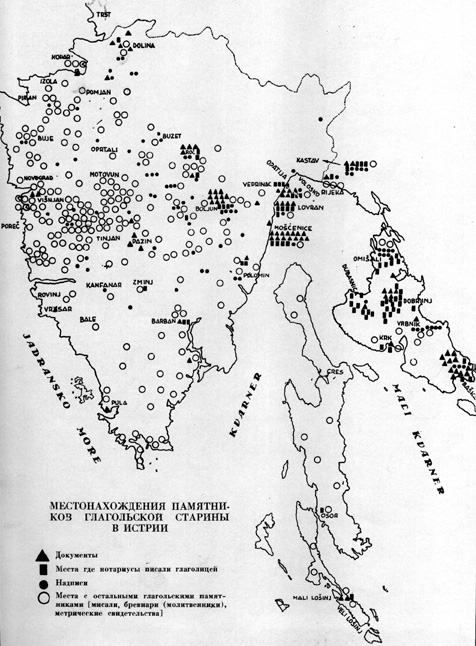
The above map was also a part of the documentation intended for international legal institutions in Europe which had to resolve the problem of international boundaries in Istria after the WWII. It indicates various sites containing Croatian Glagolitic monuments in Istria and on nearby islands. Black triagles indicate the places with Glagolitic documents (for example church records of births and marriages), black squares refer to public notaries, black discs to glagolitic inscriptions, and the circles to other documents like glagolitic missals and breviaries.
|
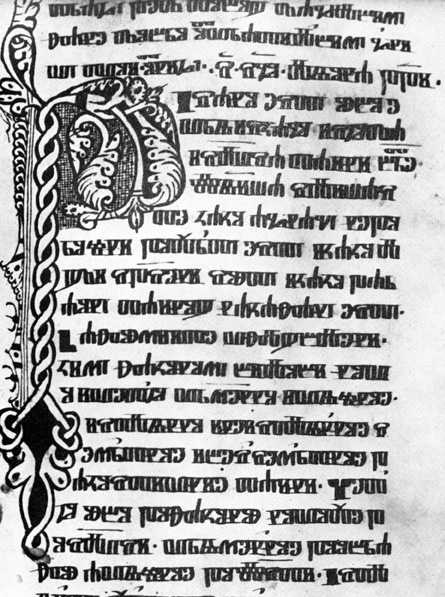
Croatian Glagolitic
Breviary
from Istria, 15th century.
It was also a part of the documentation.
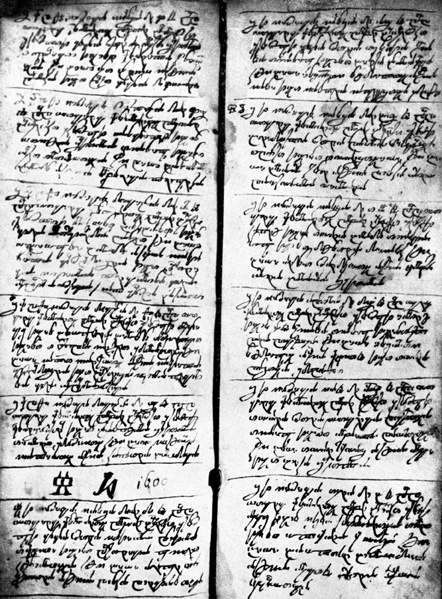
Chruch records from
Istria written in Croatian
Glagolitic quickscript in
16-17th
centuries.
It was also a part of the documenation.
For more information see Croatian Glagolitic Culture in Istria.
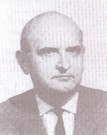
Pavao Tijan (1908-1997)
|
Pavao Tijan is outstanding Croatian encyclopaedist born in the city of Senj. In 1945 he emigrated to Italy, where he published his book Martyrium Croatiae, Rome, 1946. In Spain he was a university professor in Madrid, and known as don Pablo Tijan Roncevic.
|
|
Pavao Tijan is a holder of the prestigious medal of the Spanish King - Cruz de Alfonso X el Sabio (Encomienda con Place de Alfonso X El Sabio del Estado espanol por sus meritos en el campo de la cultura). Although being a foreigner, he was
|
| Nikola Tesla |
| Moho layer |
| Torpedo |
| Schwarz airship |
| Propeller |
| California |
| Dreams |
| Acknowledgements |
| King of Dolls |
| Kristian Krekovic |