|
|
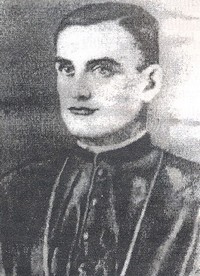
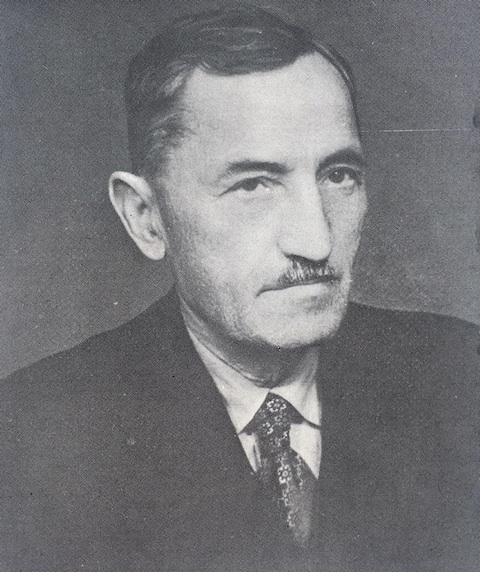
Bunjevci Croats in BačkaIvan Antunović (1815-1888), Bunjevci Croat and bishop in Kalocsin Hungary, was oustanding Croatian writer.
Ivan Antunović, source Klasje naših ravni, Subotica 2001. The Catholic Insitute for Culture, History and Spirituality in Subotica is bearing his name (Katolički institut za kulturu, povijest i duhovnost Ivan Antunović iz Subotice).
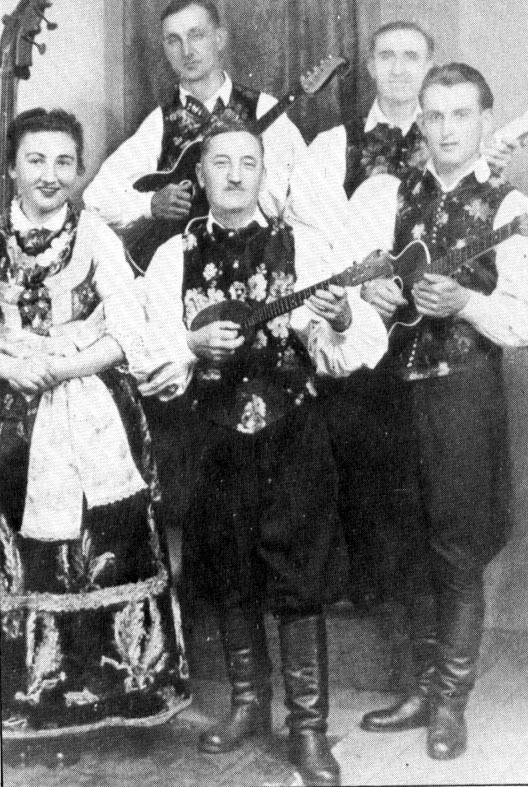
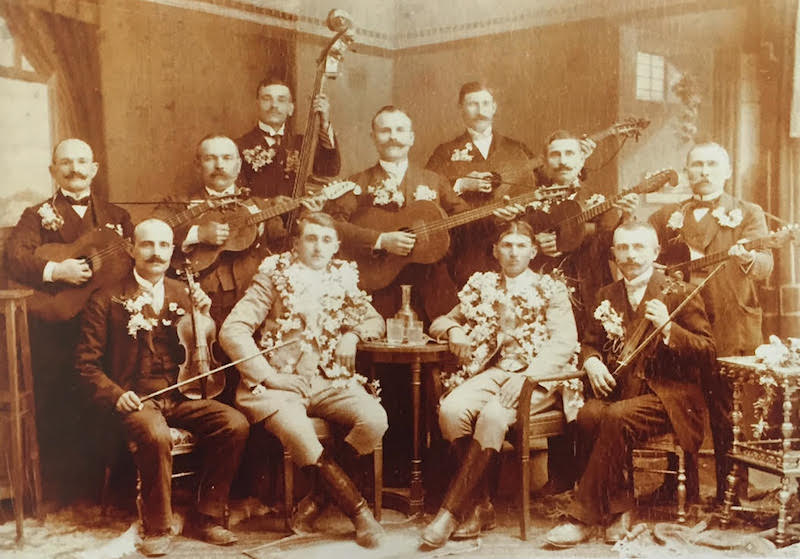
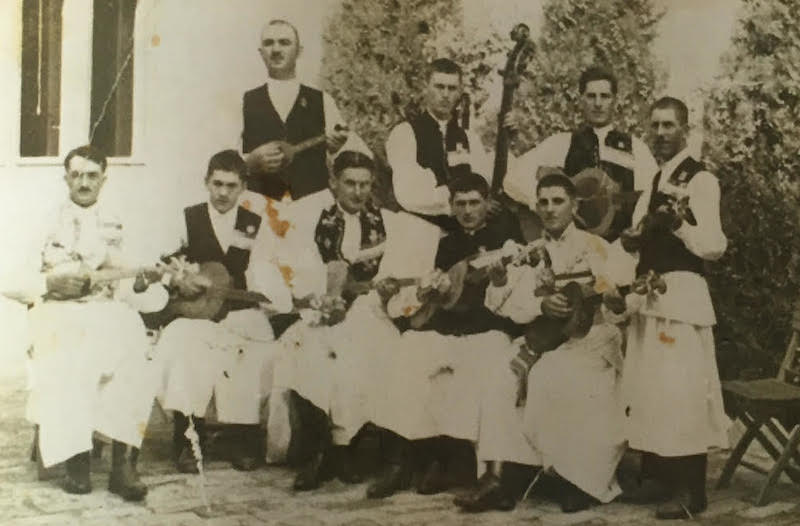
The Subotica Tamburitza Orchestra (Suboticki tamburaski orkestar) is the top quality orchestra of tamburitzans, founded in 1976. It is interesting that the original name was planned to be "Tamburaski orkestar Tumbas Pere - Hajo", but the then political structures of ex-Yugoslavia did not permit this name.
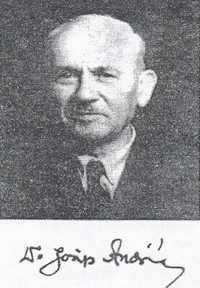
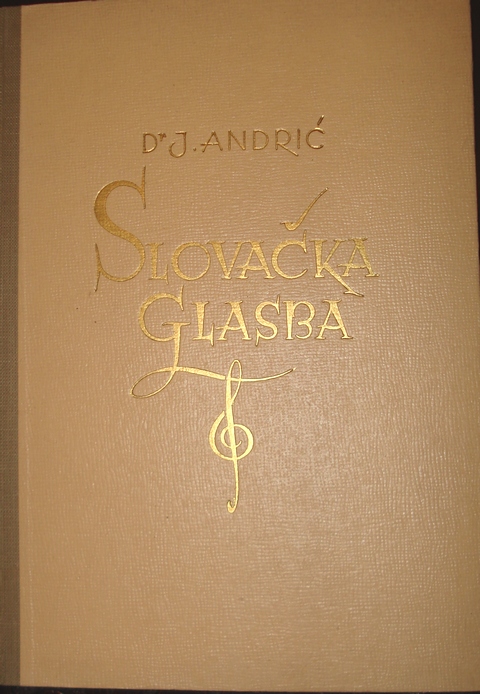
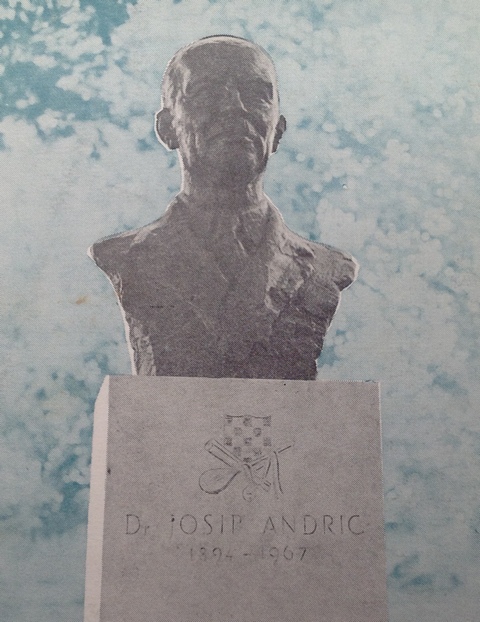
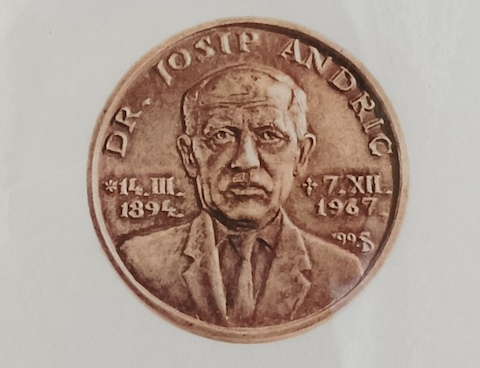
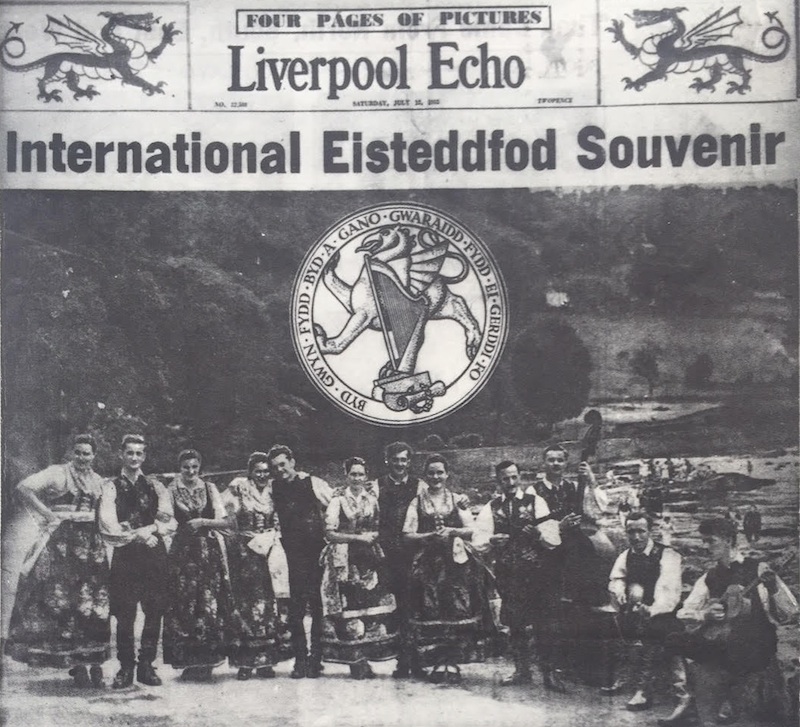
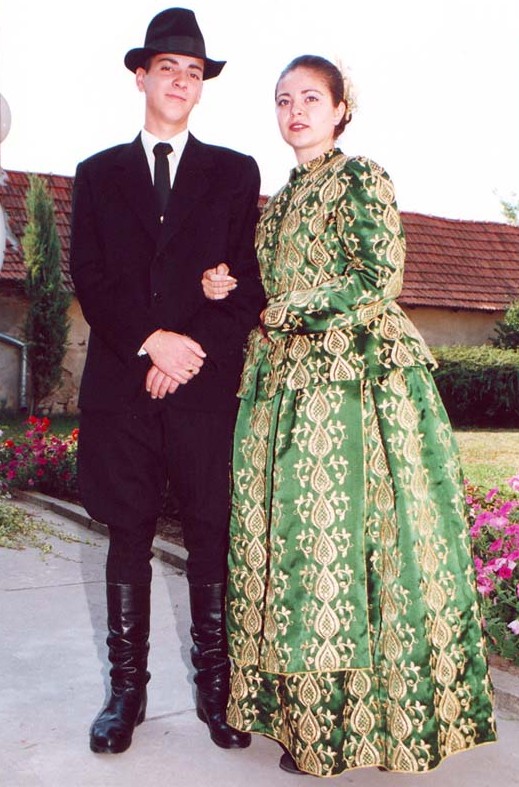
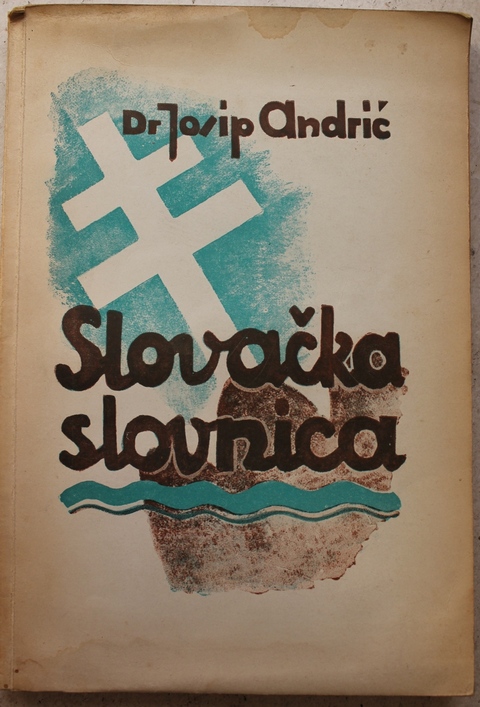
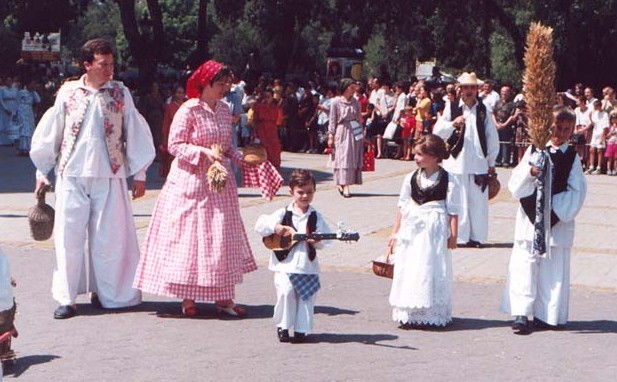
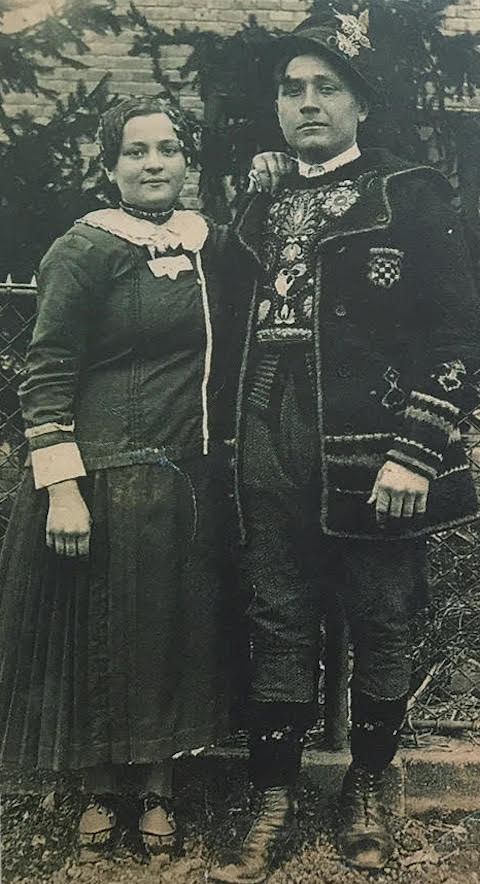
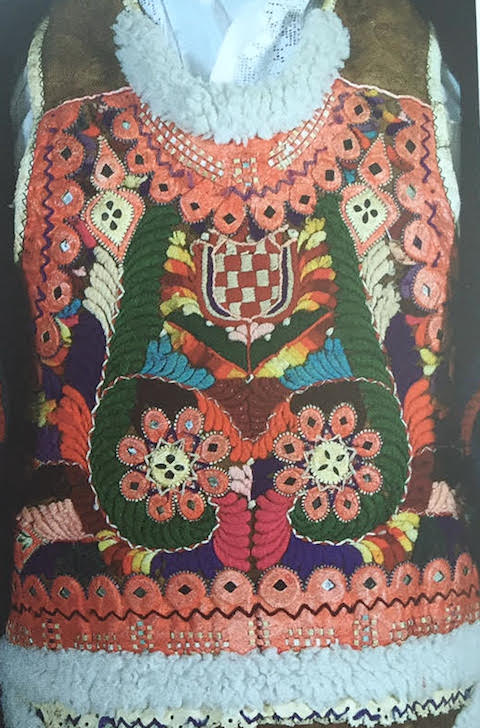
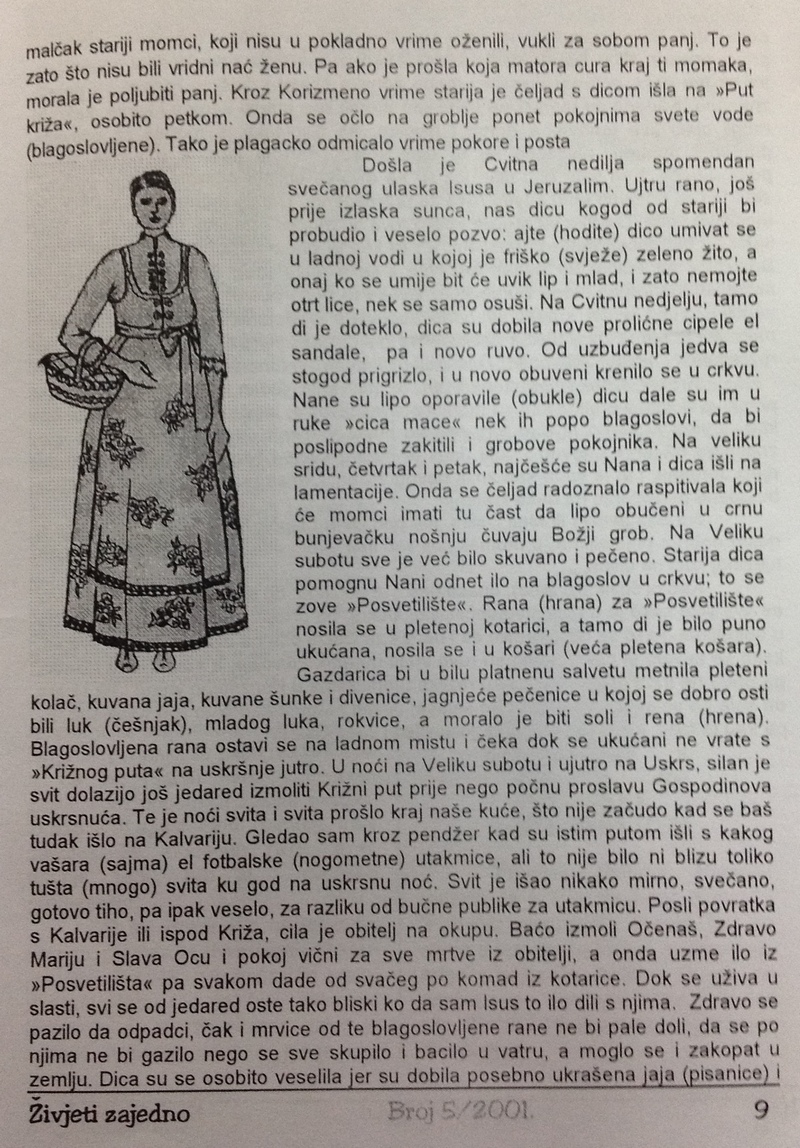
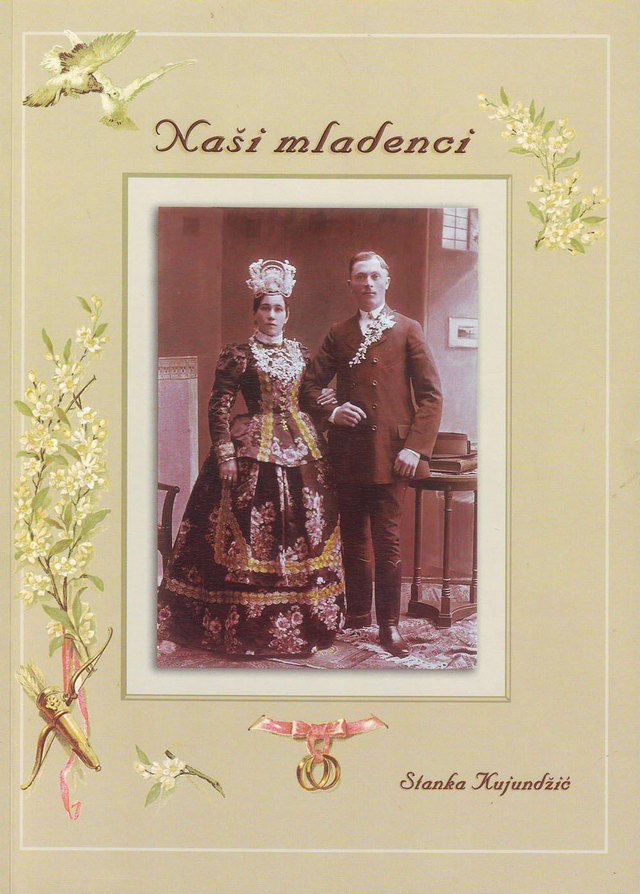
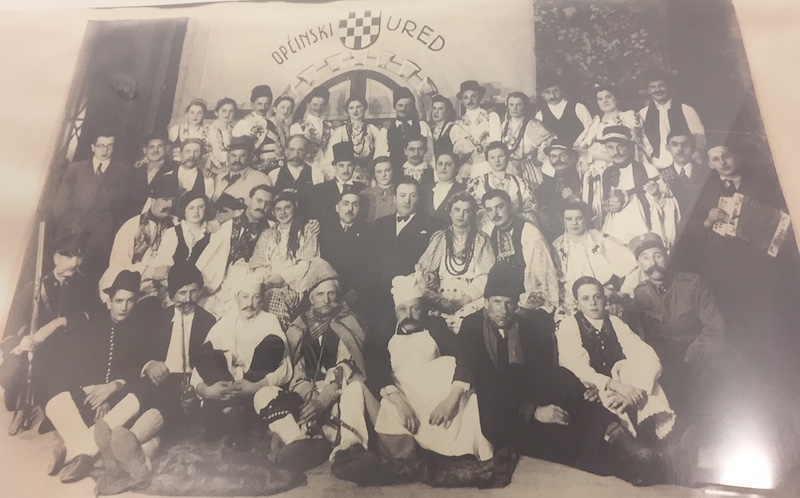
It is interesting that for the preparation of their costumes Croatian women in Backa used silk material from Lyon, France. One of the symbols of Bunjevci Croats is a very beautiful song Kolo igra, tamburica svira, composed in the 19th century. The song is very popular. Josip Andrić (1894-1967) is a figure with a wide range of interests.
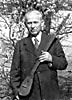
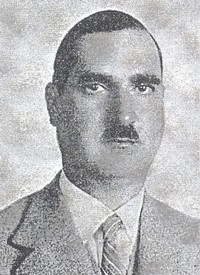
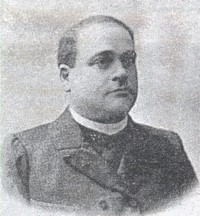
Dr. Josip Andrić, photo from Klasje naših ravni, Subotica, 2001. In his weekly "Obitelj" (Family) Josip Andric wrote articles against Hitler already in the thirties of the 20th century. During WW2 he was arrested by Gestapo, but after three months of prison, upon the intervention of the Slovak government, he had been released.
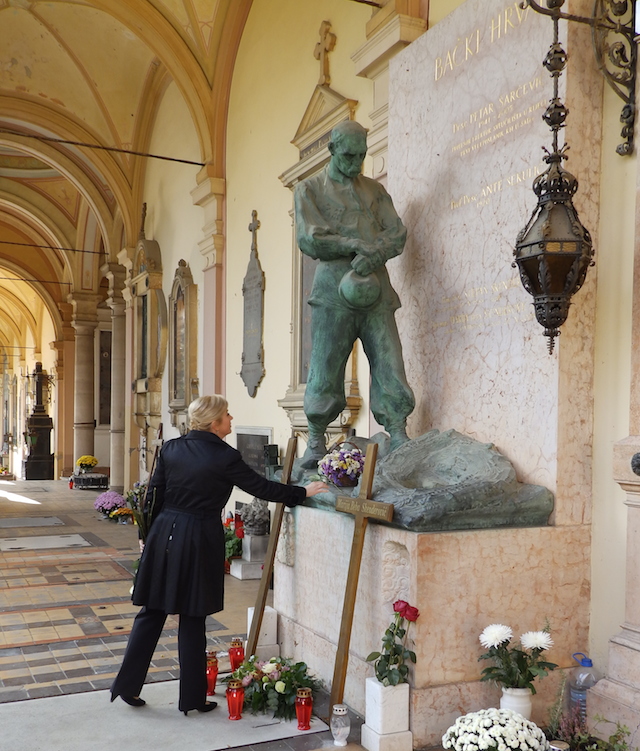
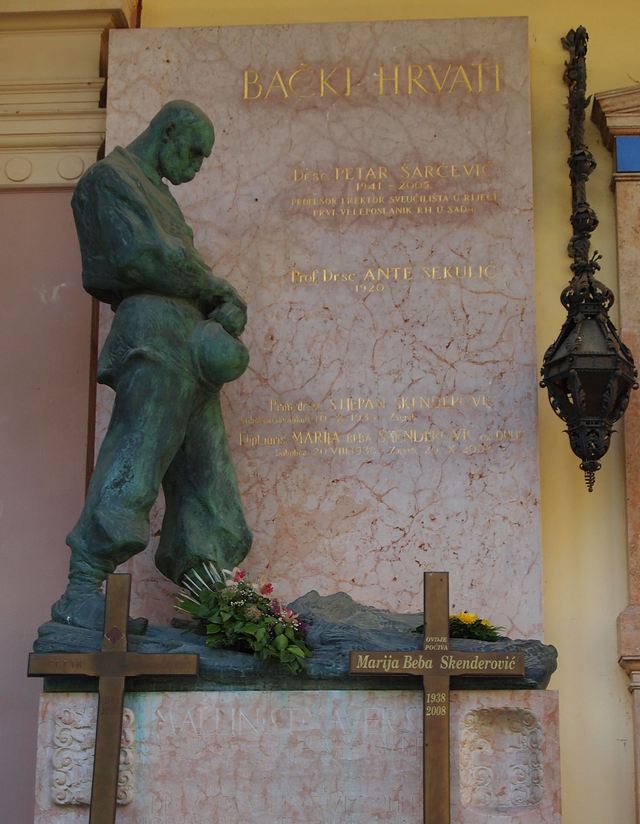
An article about Josip Andrić in Hrvatska riječ, Subotica We owe him our first information about the glory of the Irish early Christian civilization, the fact that not only the British, but also the Francs received the Christian religion from them. He belonged to the Croatian Bunjevci and Šokci. During many years, and especially since 1991, they have been going through the process of almost complete ethnic and cultural extinction, with a rate and violence unknown in Europe after 1945. Only in the period between 1971 and 1991 (before the Greater Serbian aggression!) the number of the Bunjevc and Šokci Croats dropped from 140,000 to 74,000. It should be noted that, according to Jovan Erdeljanović, in 1930 in the region of the so called Vojvodina (the name imposed in 1945 during Communist Yugoslavia) there were 400,000 Croats, see [Sekulić, Bački Hrvati]. In this region the Croats had no any national minority rights until 2002. The name of "Vojvodina" (Serbain name for "dukedom") has been imposed in 1945, although the Croats in Backa never had "vojvoda". In the period of 1930 - 1941 the Croats in Bačka were using the name of Bačka Hrvatska (information by Dr Ante Sekulić, see [Sekulić, Bački Hrvati]). It is interesting that near the town of Subotica there is a village called Hrvatski Majur (= Croatian estate).
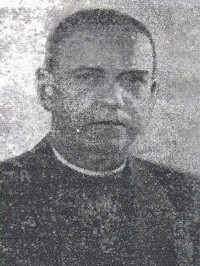
Blaško Rajić (1878-1951), source Klasje naših ravni, Subotica 2001. According to Blaško Rajić (a priest and General Vicar of the Bačka Bishopric), in the period of 1918 - 1924 Subotica had 100,000 inhabitants, out of which 80,000 were Croats, 2,000 Serbs, 1,500 Hungarians, and the rest were Jews, Germans and others (see [Sekulić, Bački Hrvati]).
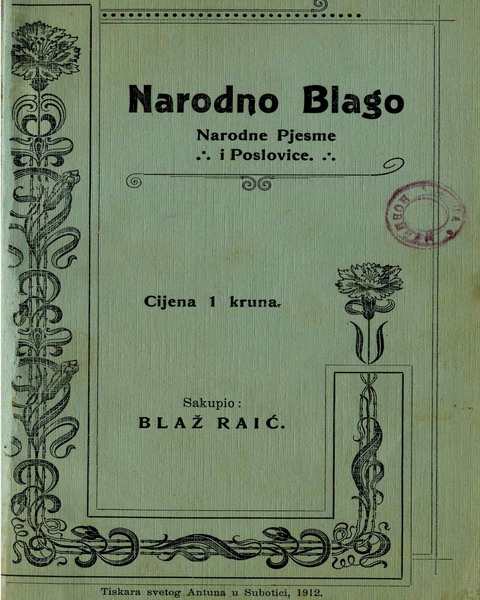
Blaž Raić: Narodno blago, Subotica 1912, 134 pp.
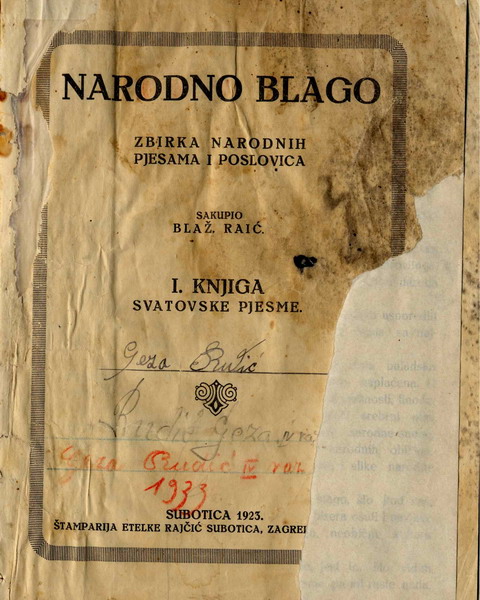
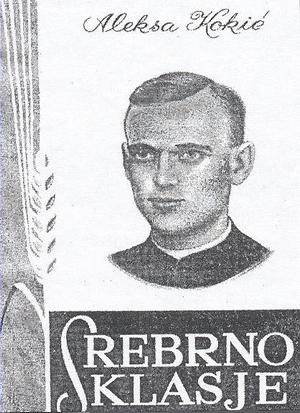
Blaž Raić: Narodno blago, Subotica 1923. Aleksa Kokić (1913 - 1940) is a well known priest and a poet born in Subotica as a Bunjevci Croat.
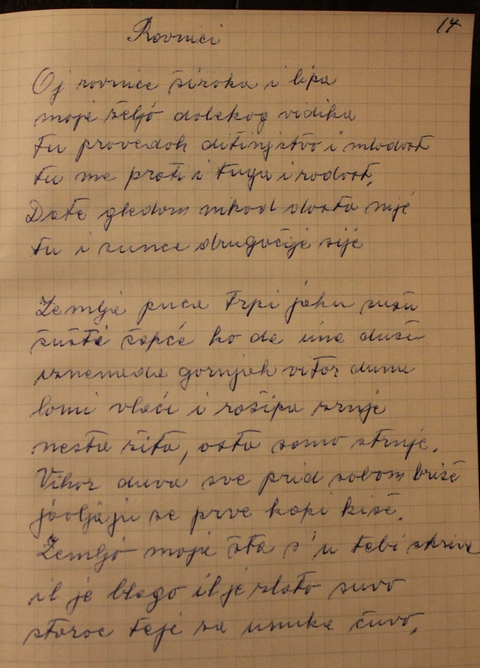
Aleksa Kokić: Srebrno klasje, photo from Klasje naših ravni, Subotica 2001. In his verses explained us the following:
These verses have been carved on a marble tablet in Subotica (in Pučka kasina) in 1936, on the occasion of 250 years of the arrival of Bunjevci Croats to Bačka. Albe Vidaković (1914 - 1964), born in the town of Subotica in Bačka, was an important composer of Croatian church music. He also collected Croatian musical folklore. The Institute for Church Music in Zagreb is named after him.
He belonged to Bunjevci Croats around the city of Subotica. Bunjevci Croats are recognizable by their beautiful ikavian dialect and folklore which is very close to that of Croatian north-east. When he was born, Subotica was the city with the second largest number of Croats after Zagreb, our capital. Even more interesting is the fact that in the period 1900-1904 Subotica was the largest Croatian city, with more Croats than Croatian capital Zagreb! Near the town of Subotica there is a village called Mala Bosna (Small Bosnia).
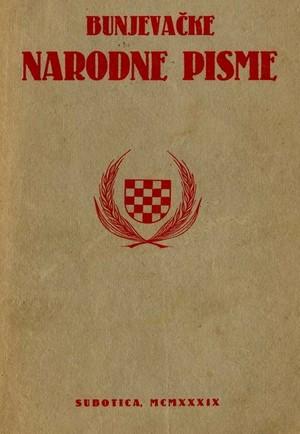
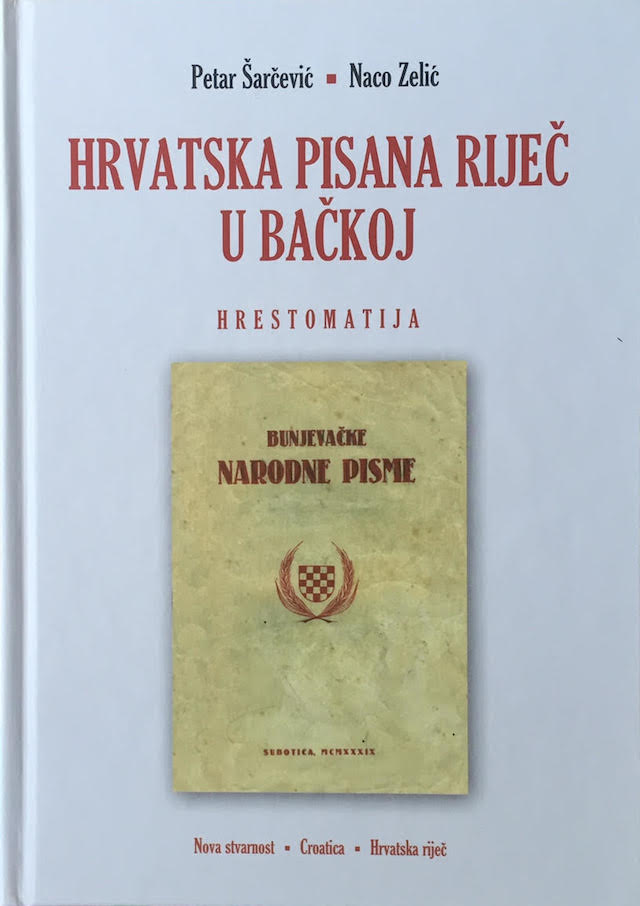
Ive Prćić: Bunjevačke narodne pisme (Bunjevac folk poems), Subotica, 1939.
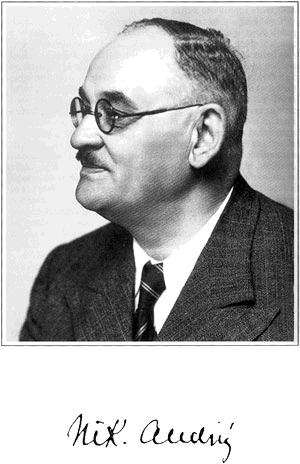
Nikola Andrić (1867-1942), photo from www.matica.hr Nikola Andrić (1867-1942) was born in the city of Vukovar. He was a philologist, writer, editor, and translator, mainly from French, German and Russian (about 60 novels). Besides his native Croatian, he was fluent in seven languages. In 1911 he published his linguistic work Branič jezika hrvatskoga (Defender of Croatian language). For more details see www.matica.hr . Nikola Andrić published an important monograph [Hrvatske narodne pjesme] (Croatian folk poems), which contains a relatively large collection of groktalice [PDF], today almost completely forgotten type of poems. The name of groktalica is very little known. Since I had opportunity to listen to groktalica singinig by late Mrs. Cecilija Milanković from Subotica when she visited Zagreb on several occasions around 2000, I decided to add a few lines about these very tender and poetic songs. According to her own words, even in Subotica a very few people know this way of singing.
Cecilija Milanković: Two blowballs, source Klasje naših ravni, Subotica 2001. Groktalice, according to academician Ante Sekulić, are poems of balladic content accompanied by singing (Groktalice su pjesme baladicnog sadrzaja pracenog pjevanjem, see [Lipe Riči, p. 4]).
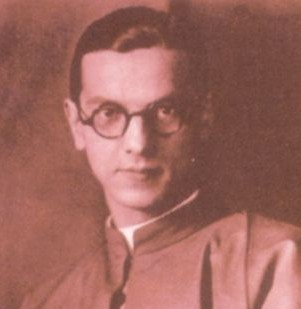
Ive Prčić (1894-1959), source Klasje naših ravni, Subotica 2001. They were published in above mentioned monograph by [Nikola Andrić], and the poems had been collected by Ive Prćić during many years.
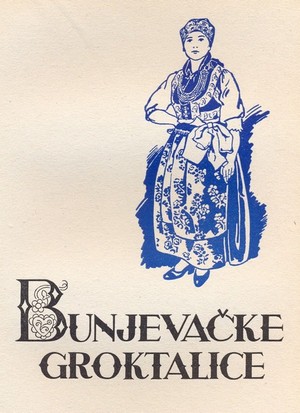
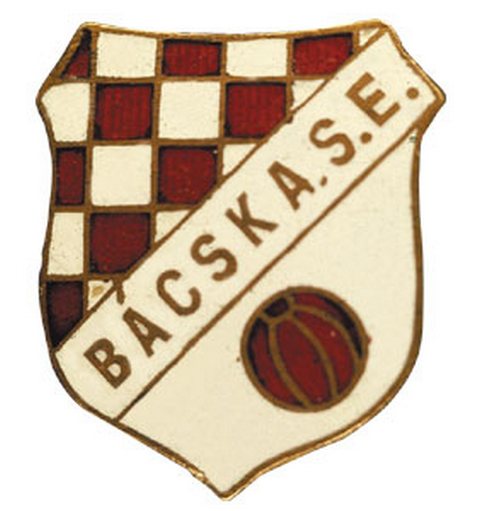
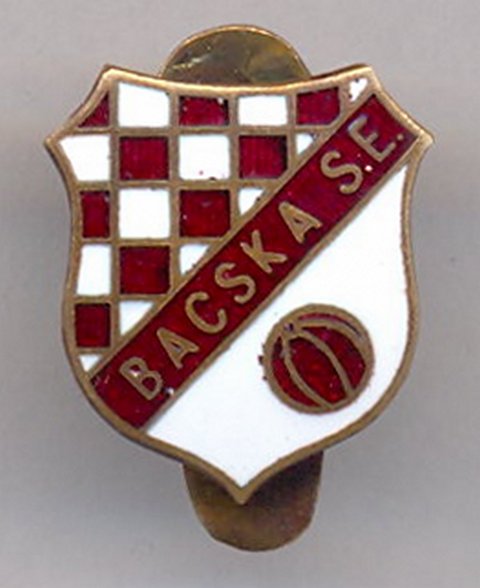
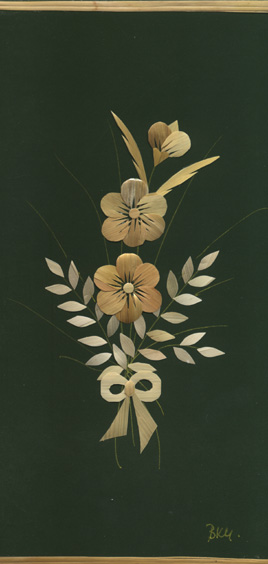
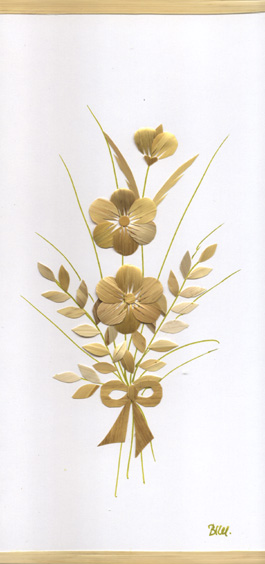
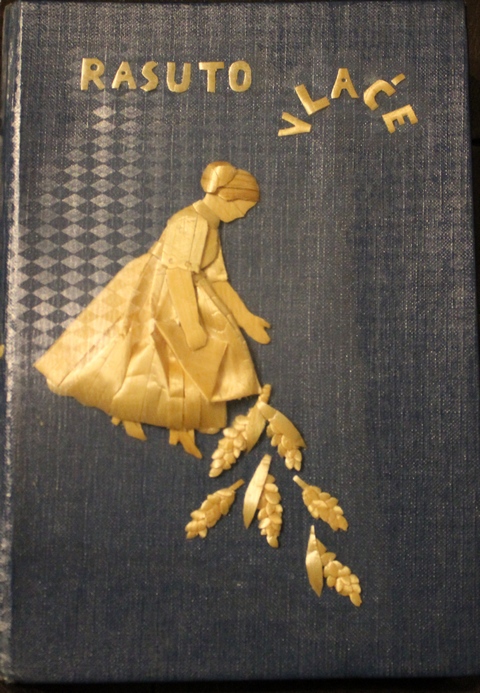
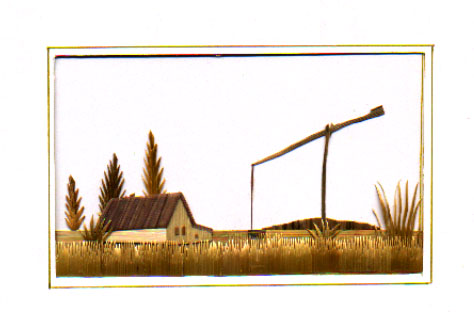
Dr. Nikola Andrić: Bunjevačke groktalice, [PDF ~50 pp] The origin of the name groktalica is the following: for the one who sings nice (lipo piva) in Backa it is said that his voice is trembling, i.e. grokti in Croatian. It is interesting that in some parts of Slavonia groktalice are also known under the same name. One of the oldest Croatian football clubs was FC Bačka, founded in Subotica in 1901, playing in the then Croatian league. I adore the art of straw weaving of the slamarke among the Bunjevci Croats in Backa. At the 1976 international exhibition of naive art in Moscow Ana Milodanović (from Zednik) won the gold medal with her work with straw weaving. Also, Kata Rogić (from Đurđin) had exceptional honour to present her work to Pope Paul the VIth. See [Zelić] and Slamarska sekcija iz Tavankuta.
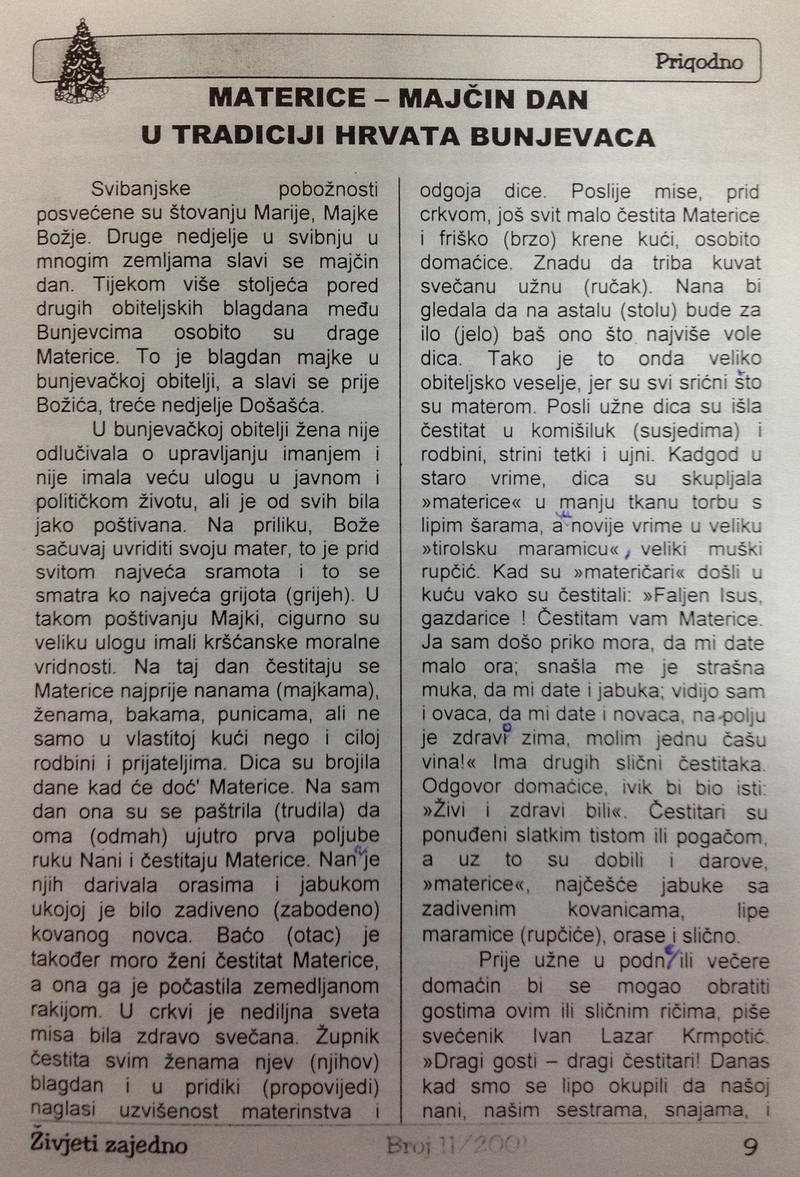
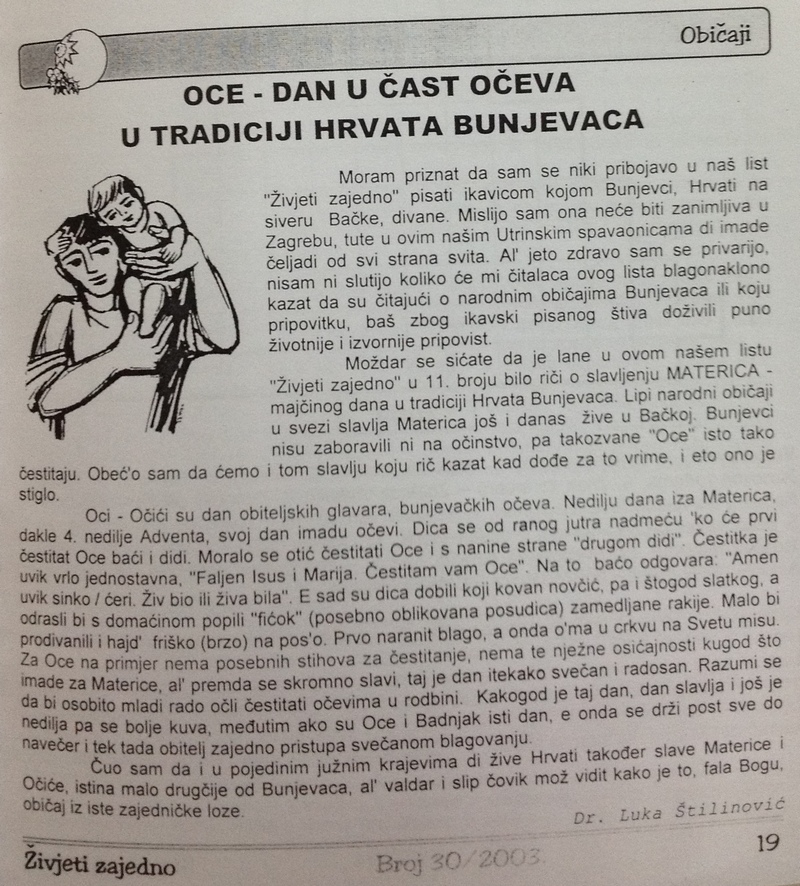
It is interesting that Bunjevci Croats have two different names for grandmothers: majka for mother's mother, and nana for father's mother. In 1928 Ivan Meštrović sent four recommendation letters to his influential friends in Croatia in which he asked to help the Croatian Youth Society BUNJEVAC from the city of Subotica to visit the land of their grandparents - south of Croatia and BiH. As he stated, Bunjevci Croats in Bačka have preserved the character of their grandparents in their ikavian speech and customs. See "Marulić", 5/1998, 908-911.
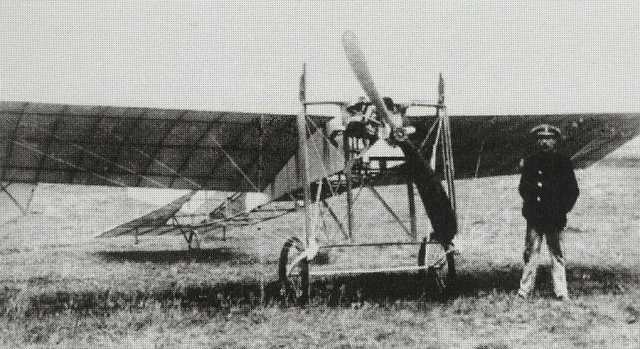
Ante Evetović Miroljub, photo from Klasje naših ravni, Subotica 2001. Ivan Meštrović carved the bust of Ante Evetović Miroljub, poet and priest in Subotica. It was placed in front of the Subotica cathedral in 1936, removed during the Hungarian occupation in 1940, and placed there again in 1996. Mestrovic also carved the bust of Ambrozije Boza Sarcevic, lawyer and cultural worker. Ivan Sarić, constructor of airplanes had been flying in Subotica already in 1913 (only 10 years after brothers Wright, and three years after Slavoljub Penkala in Zagreb). Ivan Sarić with his airplane in Subotica, source maketarstvo.net
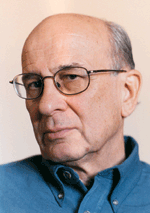
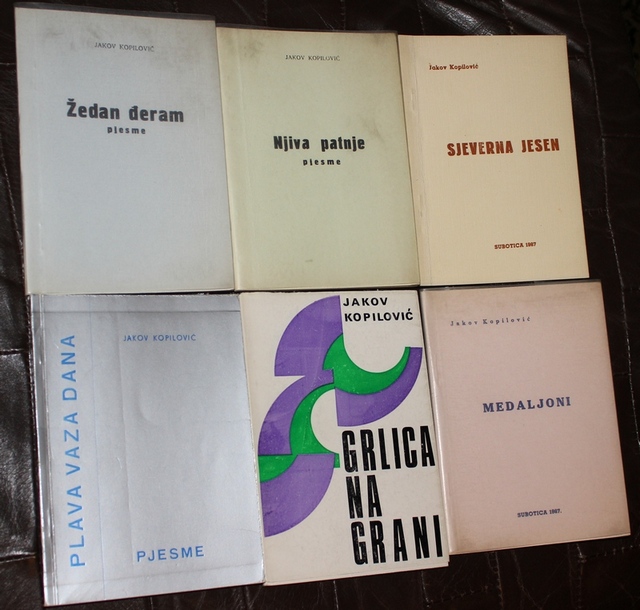
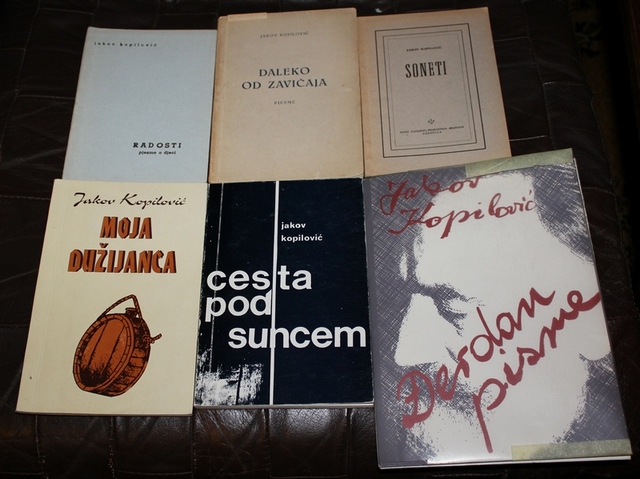
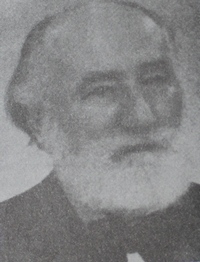
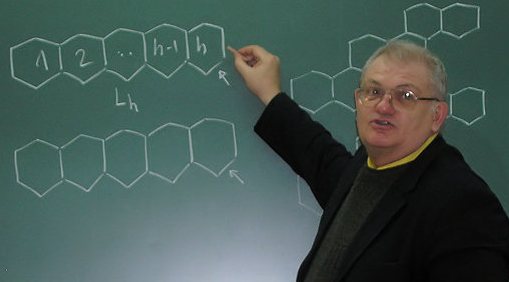
Professor Gaja Alaga on the left, a member of Croatian Nobility. Source www.knjiznica.phy.hr Among distinguished Bunjevci Croats we mention also Gaja Alaga, theoretical physicist of international reputation, and a member of Croatian Nobility from Bačka. Rajko Ljubič is a film director from Subotica, and author of numerous documentaries and short movies that deal with the life of the Bunjevci and Šokci Croats. He donated many of his flms to the Catholic Institute for Culture, History and Spirituality "Ivan Antunović" (Katolički institut za kulturu, povijest i duhovnost Ivan Antunović ) in Subotica. We would like to illustrate the position of Croats in the present Backa. An important poet Jakov Jašo Kopilović (1918 - 1997), born as a Bunjevac Croat in the city of Subotica, refused to change his nationality for membership in the Serbian Academy of Sciences (SANU, Belgrade), as it has been offered to him. Information by his closest relatives, and by prof. Joja Ricov, his personal friend (Joja Ricov is a poet, laureate of international prize "Golden Partenopa" and "Knight of Art for 1997", conferred by The Universal Academy "Neapolis" for fine arts, sciences and literature in Naples, Italy; member of Sindicato Libero Scrittori Italiani di Roma; a close friend of Italian Nobel prize winner Salvatore Quasimodo).
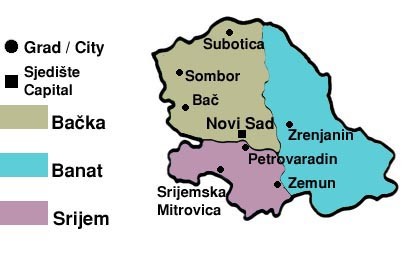
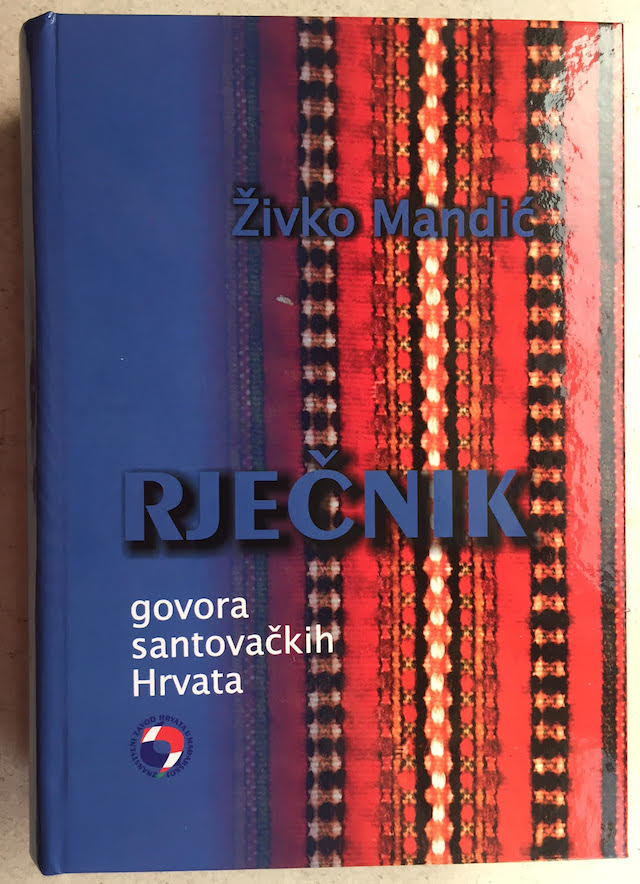
In order to split and divide the Croatian community in Backa, the regime of Milosevic invented a new national minority in 1997, called "Bunjevci", giving them all national minority rights, and persuading them to deny their Croatian identity by police terror and forced mobilization to Kosovo. It must be said that the brutal methods employed by Milosevic are very successful. In 1997 new birth certificates have been issued for the Croats in the region Backa and Srijem in which their nationality has been simply changed to Serbian, i.e. old birth certificates have been falsified. Those Croats who refused to change their national name never had, and still do not have any national minority rights in Backa. For comparison, the Serbs in Croatia have their schools, while this right has been denied to a still relatively large Croatian community in Backa. Contrary to the Croats, a very small community of only several thousand Ukrainians in the Danube region has the usual national minority rights - schools, admission to radio, TV, press, state support. In October 1999 the authorities in Belgrade refused to issue visa for Cardinal Franjo Kuharic, retired Zagreb Archbishop, who planned to visit Croatian Catholics living in Backa. It was only by the end of 2002 that the situation began to improve a little - a few Croatian classes for children were opened, and cultural societies of Bunjevci Croats. Those wishing to learn more about the history of Backa Croats (Bunjevci and Šokci) may consult the following references (especially books written by dr. Ante Sekulić, a leading expert for the history and culture of Croats in Bačka):
Croatia - overview of its History, Culture and Science
|